Turning on your pool pump is a crucial step in maintaining a clean and healthy swimming environment. Not only does it circulate water, but it also prevents stagnation, ensuring your pool remains clear and inviting. However, many pool owners find themselves unsure of the proper procedure, which can lead to frustration and potential damage to the system.
By understanding how to start your pool pump effectively, you can avoid common pitfalls that lead to costly repairs or inefficient operation. Whether you’re opening your pool for the season or just performing routine maintenance, knowing the right steps can make all the difference. As you read through this guide, you’ll gain the confidence to take control of your pool maintenance routine and ensure your water stays sparkling clean all season long. Let’s dive in and discover how to turn on your pool pump the right way!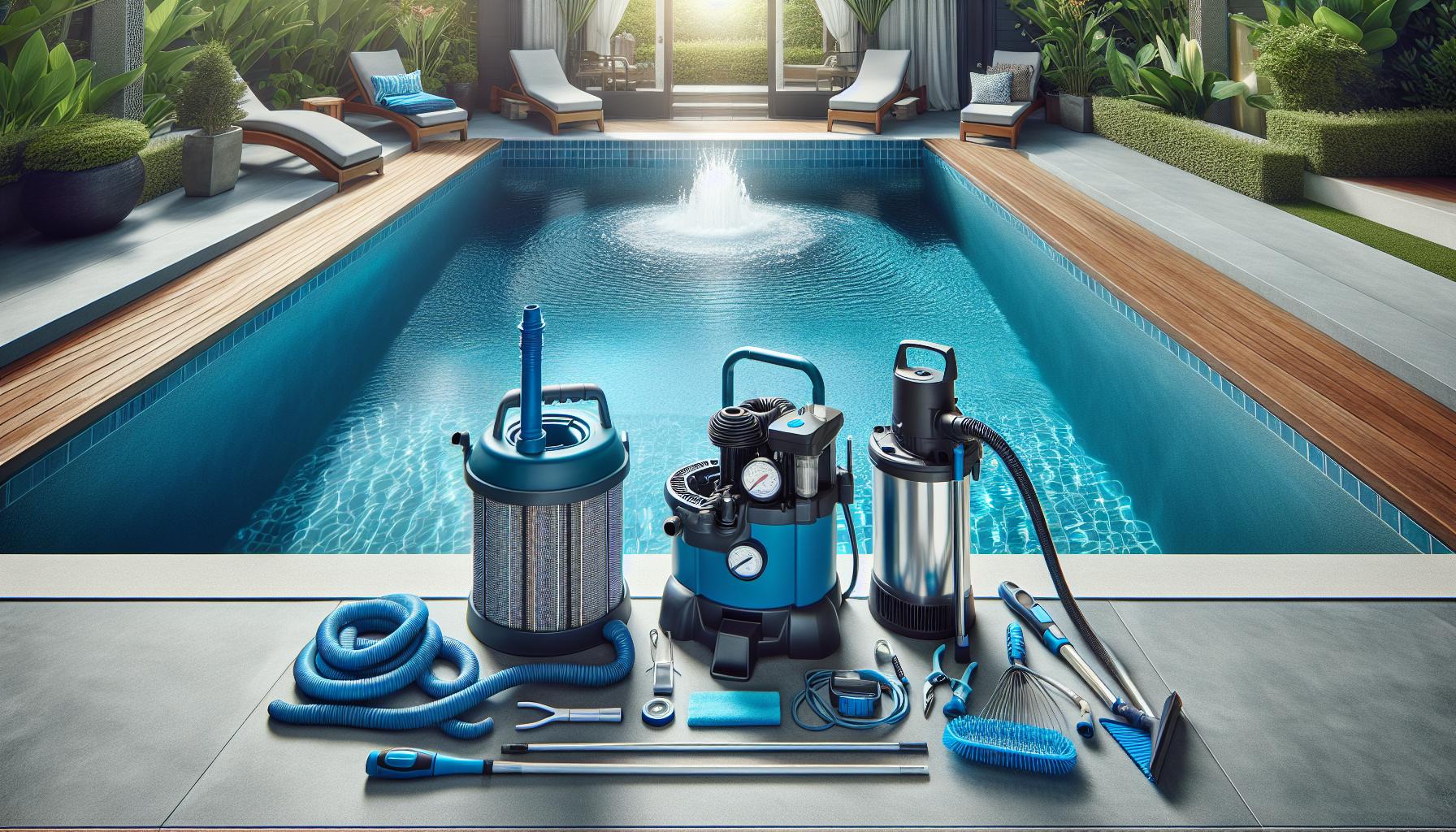
How to Prepare Your Pool Pump for Start-Up
Before starting your pool pump, ensuring everything is in proper working order can prevent frustrating downtime and costly repairs. Taking time to prepare your pump not only enhances its performance but also extends its life. Begin by checking the pump’s electrical connections to make sure there are no frayed wires or loose connections that could cause issues when powered on. Clean any debris from the inlet and outlet ports, as blockages can lead to inefficient operation.
Next, inspect the pump’s strainer basket. Remove it and clean out any debris such as leaves, dirt, or hair that may have accumulated inside. A clean strainer promotes better water flow, reducing strain on the pump. It’s also essential to check the O-rings and seals for wear or damage; replacing these can prevent leaks and maintain optimal pressure.
Ensure the pool’s water levels are adequate; the water should be above the skimmer level to allow for proper suction. If necessary, add water to the pool to meet this requirement before starting the pump. Once you’ve completed these checks, you are ready for a successful start-up. Taking these preparatory steps ensures that your pool pump operates efficiently and reliably throughout the swimming season.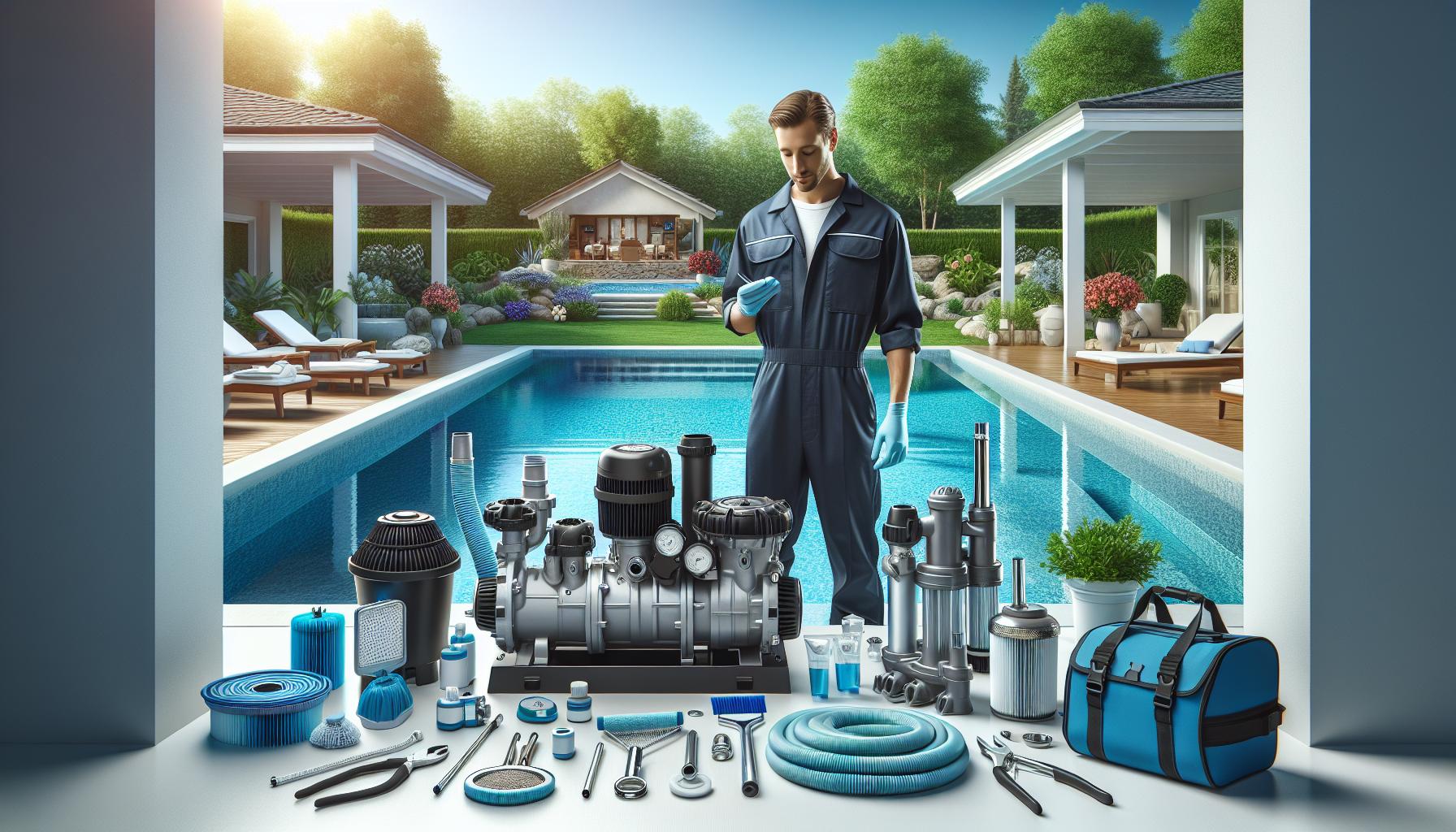
Understanding Pool Pump Components and Functions
Understanding the various components and functions of your pool pump is essential for successful operation and maintenance. The pool pump serves as the heart of the pool’s circulation system, ensuring clean and healthy water by moving it through filters and heaters. At the core of the system, you will find several key components, each playing a specific role in effective water management.
The main parts of a pool pump include:
- Motor: This is the driving force of the pump, converting electrical energy into mechanical energy to move water.
- Impeller: Located inside the pump housing, the impeller spins to create a centrifugal force that pushes water through the plumbing system.
- Strainer Basket: This component captures debris and prevents it from entering the pump. Regular cleaning is crucial for maintaining water flow.
- Pump Housing: This encases the impeller and motor, directing water through the pump.
- Volute: The volute is the section of the pump that directs the flow of water towards the discharge port, enhancing the flow rate.
Understanding these components helps pool owners troubleshoot issues effectively and select the right replacement parts when necessary. For instance, if water flow seems inadequate, checking the strainer basket for debris should be the first step, as clogs here can dramatically impact performance.
When starting your pool pump, understanding the interplay between these components can also inform adjustments you may need to make. For example, if the pump is making unusual noises, it could indicate an issue with the motor or impeller. Recognizing these sounds and their likely sources empowers you to take corrective measures swiftly, ensuring your pump operates smoothly and extends its lifespan. Additionally, keeping an eye on the impeller and ensuring it’s free of obstructions can prevent major breakdowns.
Being familiar with your pool pump’s components not only boosts your confidence in your maintenance skills but also promotes a proactive approach to pool care. By tackling small issues early, you can avoid larger, more costly repairs down the line, allowing you to enjoy a clean and inviting pool throughout the season.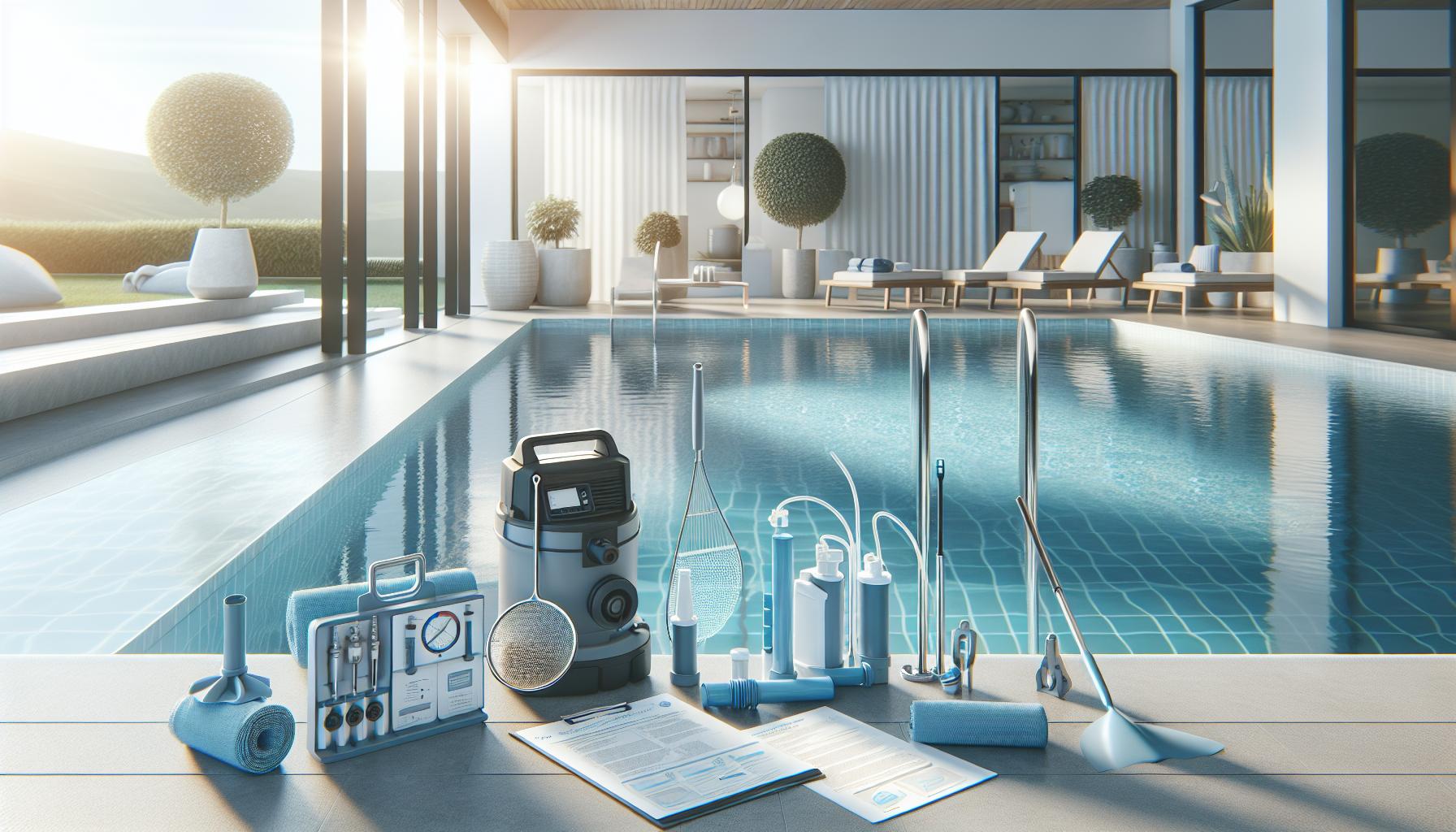
Step-by-Step Guide to Starting Your Pool Pump
Starting your pool pump correctly is crucial for maintaining a clean and efficient swimming environment. Whether you’re prepping for the summer months or reopening your pool after a long winter, understanding how to properly initiate operations can save you time and prevent costly repairs. Here’s a straightforward guide to ensure your pool pump is up and running optimally from the first start.
Begin by ensuring that the pump is in the correct position. Check that all valves are correctly set according to your desired flow rate. Typically, the main drain should be open while skimmer valves are set, allowing you to optimize water suction. After you’ve positioned the valves, inspect the strainer basket located at the front of the pump. It should be clean and free of debris to ensure unrestricted water flow; if it’s clogged, remove the basket and rinse it thoroughly before reinstallation.
Once everything is set, it’s time to fill your pump with water. Open the pump lid and slowly pour water into the strainer basket until it’s full. This step helps to prime the pump, avoiding the risk of running it dry, which can cause serious damage. After filling the basket, securely close the lid.
Next, check the power supply to ensure everything is connected correctly. Inspect the wires for any signs of wear or damage. If everything seems in order, turn on the power to your pump. Observe the pump for a moment-watch the water circulate and listen for any strange noises. A healthy pump should run smoothly and quietly. If you notice any issues, such as vibrations or loud sounds, it’s essential to turn it off immediately and troubleshoot the cause.
Lastly, verify the pool’s water level. The skimmer should be half-filled with water to ensure efficient operation. If the water is too low, the pump may draw air, which could lead to cavitation and potential damage. Adjust the water level as necessary and let the pump run for several hours, monitoring for any changes or potential leaks.
Following these step-by-step instructions helps you start your pool pump confidently, ensuring optimal circulation and keeping your pool water pristine. With regular checks and proper care, your pool pump will reliably serve as the backbone of your pool maintenance routine.
Common Mistakes to Avoid When Starting Your Pump
Starting your pool pump might seem straightforward, but there are common missteps that can lead to inefficient operation or even costly damage. Understanding these pitfalls not only enhances your pump’s performance but also prolongs its lifespan. One frequent error is neglecting to check the strainer basket for debris. A clogged basket can significantly reduce water flow, causing the pump to work harder than necessary. Always clear this basket to prevent any strain on your pump.
Another common mistake is failing to prime the pump correctly. Skipping this critical step can lead to air bubbles, which might cause the pump to run dry, eventually resulting in damage to the motor. Make sure to fill the strainer basket with water before starting the pump. After priming, securely close the lid to ensure no air enters the system.
It’s also vital to avoid incorrectly setting your valves. Many new pool owners overlook this step, leading to less-than-optimal water circulation. Ensure that all valves are aligned properly to facilitate the desired flow direction. Incorrect settings can lead to inadequate suction from the skimmers or main drain, diminishing your pool’s cleanliness and clarity.
Lastly, turning on the pump without properly checking the electrical connections can be detrimental. Always inspect for frayed wires or loose connections to avoid electrical hazards. If the pump doesn’t start or behaves strangely after powering on, don’t hesitate to switch it off and reassess your setup. These precautions will not only enhance your pool maintenance experience but also contribute to a safer and more enjoyable swimming environment.
How to Check and Maintain Water Levels Before Starting
Before powering up your pool pump, ensuring that the water levels are properly maintained is crucial for optimal performance and longevity of your equipment. Inadequate water levels can cause the pump to run dry, leading to severe damage and costly repairs. Regular checks should indicate that the water level is at least halfway up the skimmer opening. This positioning allows the skimmer to effectively draw in water, maintaining clean and circulating water throughout the pool system.
Start by visually inspecting the water level when you arrive at your pool. If you find the level is too low, it’s time for a refill. This can be done by using a standard garden hose. Simply place the end of the hose in the shallow end of the pool and turn on the water. To avoid overflow, you should periodically check the level while it fills. If you have a multi-level pool or one with elaborate features, ensure water levels are adequate for all areas to prevent any sections from running dry.
Once you’ve verified and adjusted the water levels, take the opportunity to examine the surrounding area for potential debris that might obstruct water flow. Leaves, twigs, and other debris can accumulate in skimmer baskets or around the pump intake, potentially leading to pump inefficiencies. To keep your pump operating smoothly, you should clean out any debris in the skimmer and pump strainer baskets before starting the pump. This not only enhances water circulation but also reduces the load on your pump, allowing it to work more effectively.
In addition to the water level and skimmer maintenance, consider applying a pool cover during off-seasons or when not in use. This helps minimize evaporation, protecting water levels and reducing the amount of debris that could enter your pool. Making these checks part of your regular maintenance routine will contribute significantly to the health of your pool system, ensuring a safe and enjoyable swimming experience.
Troubleshooting Issues When Your Pool Pump Won’t Start
When faced with a pool pump that refuses to start, the frustration can be palpable. However, understanding common issues and step-by-step troubleshooting can help restore your tranquil pool experience. There are several factors to consider before running to a professional; many problems can be resolved effortlessly with a little guidance.
Begin your troubleshooting journey by ensuring that the pump is receiving power. Check that the pump is securely plugged into its power outlet and inspect the circuit breaker for any tripped switches. A simple reset can often solve the issue. Additionally, confirm that the outlet has power by testing it with another device, which can help rule out electrical supply problems. If the pump still doesn’t activate, examine the pump’s motor for any unusual sounds or visible signs of wear such as burnt wires or leaking. Regular maintenance of these components is crucial for longevity.
Another common culprit is air trapped in the system. If the pump starts but quickly loses suction, there might be air leaks in the intake line. To troubleshoot, ensure that all connections are tight and inspect the gasket seals for wear. Bleeding the air from the pump’s lid or using the manual air relief valve can also help you get rid of any air pockets that might be interfering with the pump’s operation.
Lastly, don’t overlook the condition of the pump’s filters and impellers. Clogged filters can impede water flow, while debris wrapped around the impeller might prevent it from turning. Before you start the pump, check and clean the skimmer basket and pump strainer basket thoroughly. If you’ve ruled out power, air leaks, and obstructions but the pump still won’t start, it’s time to explore potential internal mechanical failures. In such cases, consulting a professional may be the best route to avoid further damage.
By following these methods, you can efficiently troubleshoot your pool pump issues and get your system up and running in no time, ensuring a clean and inviting swimming environment.
Safety Precautions When Operating Your Pool Pump
Operating a pool pump involves more than simply flipping a switch; it requires awareness of potential hazards and safety protocols to ensure a smooth and trouble-free experience. Pool pumps, while indispensable for maintaining water clarity and circulation, can pose risks if not handled correctly. By keeping safety at the forefront, you can protect yourself and prolong the life of your equipment.
Before starting your pool pump, always ensure that you are equipped with appropriate personal protective equipment (PPE). This includes wearing rubber gloves to protect your hands from any chemicals that may have accumulated and safety goggles to shield your eyes from splashes. Additionally, make sure the area around the pump is clear of any obstacles or hazards that could cause accidents. Check the electrical connections for any signs of wear, and avoid operating the pump while the power supply is wet or during inclement weather.
Electrical Safety
Maintaining electrical safety is crucial for operating your pool pump effectively. Ensure that all electrical components are properly grounded and that the circuit used to power the pump has no faulty wiring. If you notice any frayed cords or exposed wiring, refrain from using the pump until these issues have been resolved. Utilizing a Ground Fault Circuit Interrupter (GFCI) outlet can add an extra layer of protection, preventing electrical shocks in case of malfunction. Always unplug the pump before performing any maintenance or checks, and never attempt to work on it with the power still connected.
Preventing Mechanical Injuries
Pool pumps have moving parts that can cause injury if proper precautions are not taken. Before you start your pump, make a habit of checking that all covers and guards are securely in place. Additionally, never insert fingers or objects into the pump while it is running; doing so can result in serious injuries. If you must clear any debris from around the pump or within the basket, turn it off and allow it to come to a complete stop before reaching inside.
By prioritizing safety when operating your pool pump, you not only protect yourself but also ensure that your pump functions efficiently for years to come. Regularly reviewing these precautions can help create a safe environment while enjoying the many benefits of having a well-maintained pool.
The Importance of Regular Pool Pump Maintenance
Regular maintenance of your pool pump is crucial for ensuring not only the longevity of the equipment but also the health of your pool water. A well-maintained pump operates efficiently, reducing energy costs and improving water circulation, while preventing potential issues that could lead to costly repairs or replacements. By investing just a small amount of time into routine checks and maintenance, pool owners can enjoy a sparkling clean swimming experience all season long.
To keep your pool pump in top condition, start by frequently checking the filter and strainer basket for debris. A clogged basket can restrict water flow, forcing your pump to work harder and consume more electricity. It’s advisable to clean the basket at least once a week during peak use, ensuring that any accumulated leaves or dirt are promptly removed. Additionally, inspect the pump’s seals and O-rings for wear and tear, as these components are essential for maintaining proper pressure and preventing leaks.
Another important aspect of pump maintenance is monitoring the water level in your pool. Water that falls below the skimmer can lead to pump burnout, so make it a habit to check levels regularly, especially after heavy use or rainstorms. If water levels are low, add water before starting the pump to avoid operational issues. Furthermore, investing in a quality pressure gauge can help you track the health of your system over time; if you notice a sudden rise in pressure, it may indicate a blockage in the filtration system.
Lastly, don’t overlook the value of seasonal maintenance. Before winterizing, ensure that the pump is adequately drained and protected from freezing temperatures, which can damage internal components. By taking these proactive steps, pool owners will not only enhance the performance of their pool pump but also create a safer and more enjoyable swimming environment.
Advanced Techniques for Optimizing Your Pump’s Performance
To maximize the efficiency and lifespan of your pool pump, it’s essential to implement advanced techniques that optimize its performance. One of the most effective strategies is to adjust the pump’s runtime based on your pool usage and environmental conditions. For instance, during peak swimming seasons, consider running the pump for longer periods, ideally around 10 to 12 hours a day, while reducing this time during cooler months or when the pool is used less frequently. This adjustment not only ensures better water circulation and clarity but can also help you save on energy costs.
Another vital aspect is ensuring the pump is properly sized for your pool. A pump that is too large can lead to faster wear and energy waste, while an undersized pump may struggle to keep your water clean. If you suspect your pump is not optimally sized, consult your manufacturer’s guidelines or a pool professional for insights tailored to your specific pool dimensions and characteristics. Additionally, exploring variable-speed pumps can be a game changer; they allow pool owners to set different speeds for different tasks, such as skimming debris at high speed and filtering at a lower, more energy-efficient speed.
Regularly cleaning and maintaining the pump’s impeller and housing is crucial for performance optimization. Over time, debris can accumulate in these areas, hindering efficiency. With the power off, check the impeller, typically located at the front of the pump, and remove any leaves, dirt, or other obstructions. This simple maintenance step can lead to significant improvements in water flow and pump operation.
Finally, utilize smart technology to monitor and adjust your pump settings remotely. Smart pool controllers can automate operations based on weather patterns, pool usage, or even filter pressure readings. This system not only enhances performance but provides peace of mind, ensuring your pool remains clean with minimal manual effort. By combining these advanced techniques, you can enjoy a healthier swimming environment while maximizing your pump’s efficiency and lifespan.
What to Do if Your Pool Pump is Noisy or Inefficient
When your pool pump begins to make unusual noises or shows signs of inefficiency, it’s not just a nuisance; it’s a signal that something may be amiss and needs your attention. Strange sounds-like grinding, squealing, or rattling-can often be traced to specific issues, ranging from simple maintenance tasks to potential mechanical failures. Recognizing the source of the noise is crucial for determining the appropriate corrective actions.
Start by inspecting the pump for visible debris. Turn off the power to the pump and clear away any leaves, sticks, or dirt around the motor and impeller. This buildup can cause the impeller to become unbalanced, resulting in noise and reduced efficiency. If accessible, remove the pump’s lid and check the impeller for blockages. Ensure that there are no cracks or damage present, which could also contribute to noise and affect function.
Another common cause of inefficiency is air entering the system. Ensure all seals are tight and inspect the o-ring on the pump lid. Even a small opening in a gasket can allow air to mix with water, leading to a series of operational issues, including louder pump noise and insufficient water flow. If you identify any wear on the o-ring, replacing it can significantly reduce noise and improve efficiency.
If the noise persists after these checks, examine the pump’s motor. A buzzing noise may indicate a motor issue or electrical problem. In such cases, ensure the pump is properly wired and check for any loose connections. Regular maintenance, including lubricating bearings and tightening all screws and bolts, can also help prolong the pump life and keep noise levels down.
Finally, consider the pump’s location and installation. If the pump is not level or securely mounted, it may vibrate, causing noise that can be mistaken for mechanical issues. Adjust the positioning so that the pump sits evenly and securely. In cases where the noise is severe or the pump continues to underperform, consulting a professional may be necessary to accurately diagnose and rectify the problem. Although addressing noise and inefficiency can feel daunting, these steps can empower you to take control of your pool maintenance, ensuring a peaceful and enjoyable swimming experience.
How Seasonal Changes Affect Your Pool Pump Operations
As the seasons change, so do the demands and performance expectations of your pool pump. Understanding how weather fluctuations affect your pump operations is crucial for maintaining optimal water quality and system efficiency. For instance, during the warmer months, higher temperatures can lead to increased evaporation and algae growth, prompting the need for more frequent filtration cycles. Conversely, cooler temperatures can slow water circulation, affecting the overall performance of your pump.
During the winter months, taking specific precautions becomes essential. Lower temperatures might cause the water to freeze, potentially damaging the pool pump and associated plumbing. To prevent costly repairs, it’s advisable to winterize your pump properly. This involves removing any water from the pump and pipes, adding antifreeze where necessary, and ensuring the pump is securely covered. It’s also wise to periodically check the pump during the off-season to ensure no debris or ice has accumulated that could cause issues when reactivated.
In spring and fall, the inflow of leaves and other debris from surrounding trees can create additional workload for the pump. Regular maintenance is paramount to ensure that the pump doesn’t get overwhelmed. Regularly skimming the pool surface and cleaning out the skimmer basket can significantly reduce the strain on the pump. Moreover, adjusting the pump’s run time based on seasonal requirements will help maintain clean, clear water while also conserving energy.
Additionally, consider using a pool cover during the off-peak seasons. This not only keeps debris out but also maintains water temperature, reducing the energy necessary to keep your pump operating effectively. By remaining aware of seasonal changes and their impact on your pool pump, you can ensure your system runs smoothly year-round, ultimately prolonging its lifespan and enhancing your swimming experience.
When to Call a Professional for Pool Pump Issues
When faced with persistent issues during pool pump operation, it’s crucial to recognize when it’s time to call a professional. A common mistake is waiting until a problem becomes severe before seeking expert help, which can lead to more extensive damage and higher repair costs. If you’ve tried troubleshooting methods such as checking for air leaks, ensuring the pump is primed, or verifying that the power supply is secure without success, don’t hesitate to reach out to a qualified technician.
Here are some specific scenarios where professional assistance is not only advisable but essential:
- Repeated Blockages: If your pump is consistently clogged or requires frequent cleaning of the filter, there may be underlying issues such as improper plumbing design or excessive debris that need a professional’s assessment.
- Unusual Noises: Unexplained grinding, rattling, or high-pitched sounds coming from the pump can indicate serious mechanical failure. If these noises persist, it’s best to consult a technician before any further damage occurs.
- Electrical Issues: Signs of electrical problems, including frequent tripping of circuit breakers or burning smells around your electrical components, warrant immediate professional evaluation to prevent fire hazards.
- Pump Not Starting: If your pump completely fails to start despite checking power sources and resetting switches, professional diagnostics may reveal complex electrical or mechanical failures that require specialized tools and knowledge.
The cost for repairs can be daunting, but investing in professional help is often more economical in the long run. Many technicians offer maintenance packages that can help identify problems before they escalate, ensuring your pool remains a source of enjoyment rather than a headache. By knowing when to call for help, you not only protect your investment but also enhance your overall pool experience.
Faq
Q: How do I know if my pool pump is ready to start?
A: To determine if your pool pump is ready to start, check that the water levels are adequate and that the pump is free of debris. Ensure all valves are open and that there are no air bubbles in the system, indicating potential clogs. Refer to the “How to Check and Maintain Water Levels Before Starting” section for detailed guidance.
Q: What should I do if my pool pump won’t turn on?
A: If your pool pump won’t turn on, first check the power supply and circuit breaker. Ensure the pump’s motor isn’t overheated; it may need time to cool down. Consult the “Troubleshooting Issues When Your Pool Pump Won’t Start” section for further detailed troubleshooting steps.
Q: How long should I run my pool pump after starting it?
A: Ideally, run your pool pump for 8-12 hours after starting it to ensure proper circulation and filtration. For specific recommendations based on pool size and usage, see the “Importance of Regular Pool Pump Maintenance” section.
Q: What noise is normal for a pool pump?
A: A low humming sound is typical for pool pumps during operation. However, if you hear grinding, rattling, or high-pitched noises, it may indicate a problem. Refer to “What to Do if Your Pool Pump is Noisy or Inefficient” for solutions.
Q: How do I prime my pool pump?
A: To prime your pool pump, first, fill the pump basket with water. Ensure the lid is tightly secured, then turn on the pump. Check for smooth water flow and look for air bubbles. For detailed instructions, explore the “Step-by-Step Guide to Starting Your Pool Pump”.
Q: Is it safe to start my pool pump at night?
A: While it is technically safe to start your pool pump at night, it’s advisable to do so during daylight for visibility and safety checks. Refer to the “Safety Precautions When Operating Your Pool Pump” section for important safety tips.
Q: What maintenance should I do after starting my pool pump?
A: After starting your pool pump, regularly check the filter, clean the pump basket, and monitor water chemistry. Refer to “The Importance of Regular Pool Pump Maintenance” for a complete maintenance checklist.
Q: When should I consider replacing my pool pump?
A: Consider replacing your pool pump if it frequently malfunctions, is over 10 years old, or is inefficient. For additional insights on pump lifespan and efficiency, check the “When to Call a Professional for Pool Pump Issues” section.
The Conclusion
Now that you know how to turn on your pool pump correctly, keep your system running smoothly with confidence. Regular maintenance plays a key role in ensuring clear, inviting water for all your summer fun. If you’re looking for more tips, check out our guides on essential pool maintenance steps and troubleshooting common pump issues.
Don’t leave your pool’s cleanliness to chance-act now! Equip yourself with the right tools and knowledge. Explore our PoolMath calculator for precise chemical balancing and dive into our article on managing copper levels in your pool water. Each resource is designed to support your journey toward a dazzling pool.
Join our community of pool owners-share your experiences in the comments below and help others navigate their pool challenges. Remember, a well-maintained pool enhances your outdoor experience and provides a refreshing retreat. Ready to keep your pool pristine? Let’s make this summer one to remember!