


A sparkling pool is the ultimate summer retreat, but the unexpected challenge of sand accumulation can turn your oasis into a frustrating chore. Whether it’s from pool toys, nearby construction, or natural wear and tear, getting sand out of your pool quickly and effectively is essential for maintaining that inviting atmosphere.
In this guide, we’ll explore effortless cleaning methods that not only shield your pool from unwanted debris but also empower you with the knowledge to keep it pristine. Say goodbye to sandy surprises and hello to effortless enjoyment-read on for practical solutions that will make pool maintenance a breeze and help you reclaim your happy place!
How to Identify Sand In Your Pool Water
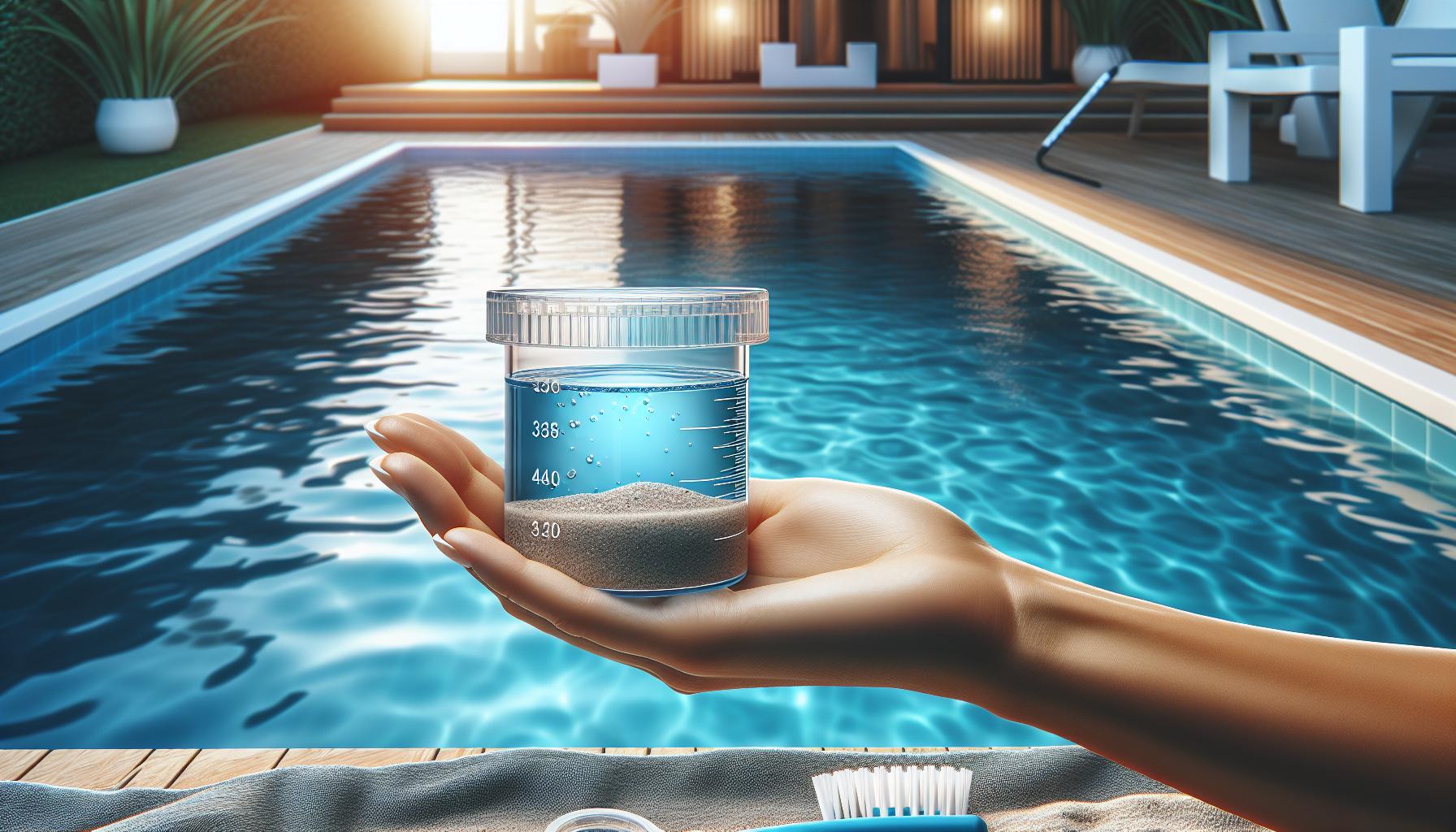
Identifying sand in your pool water can seem challenging, especially when you’re eager to dive into a refreshing swim. Sand often sneaks into pools from nearby landscaping, decorative sand filters, or even from open areas where the wind can carry it in. One of the first noticeable signs of sand in your pool is a gritty texture on the bottom, or fine particles swirling around the water. You may also observe a slight haziness, particularly after heavy winds or rain, which can stir up sand particles.
To confirm that it’s sand you’re dealing with, take a closer look at the particles. Using a fine mesh net or a clear container, scoop some of the suspected debris. If the particles resemble tiny grains and sink quickly, they are likely sand, especially if they feel gritty between your fingers. In contrast, dirt or algae will often appear as darker or muddier clumps and may be more organic in texture.
Another helpful tip is to monitor the filter pressure. If you notice an increase in pressure without significant debris in the skimmer or pump basket, sand may be recirculating through your filtration system, often indicative of a broken filter or damaged sand filter. Having a basic understanding of these signs can empower pool owners to address issues swiftly, maintaining the beauty and cleanliness of their aquatic oasis. Adjusting your maintenance routine accordingly will help keep unwanted sand at bay, ensuring your pool remains crystal clear and inviting.
Essential Cleaning Tools for Effortless Removal
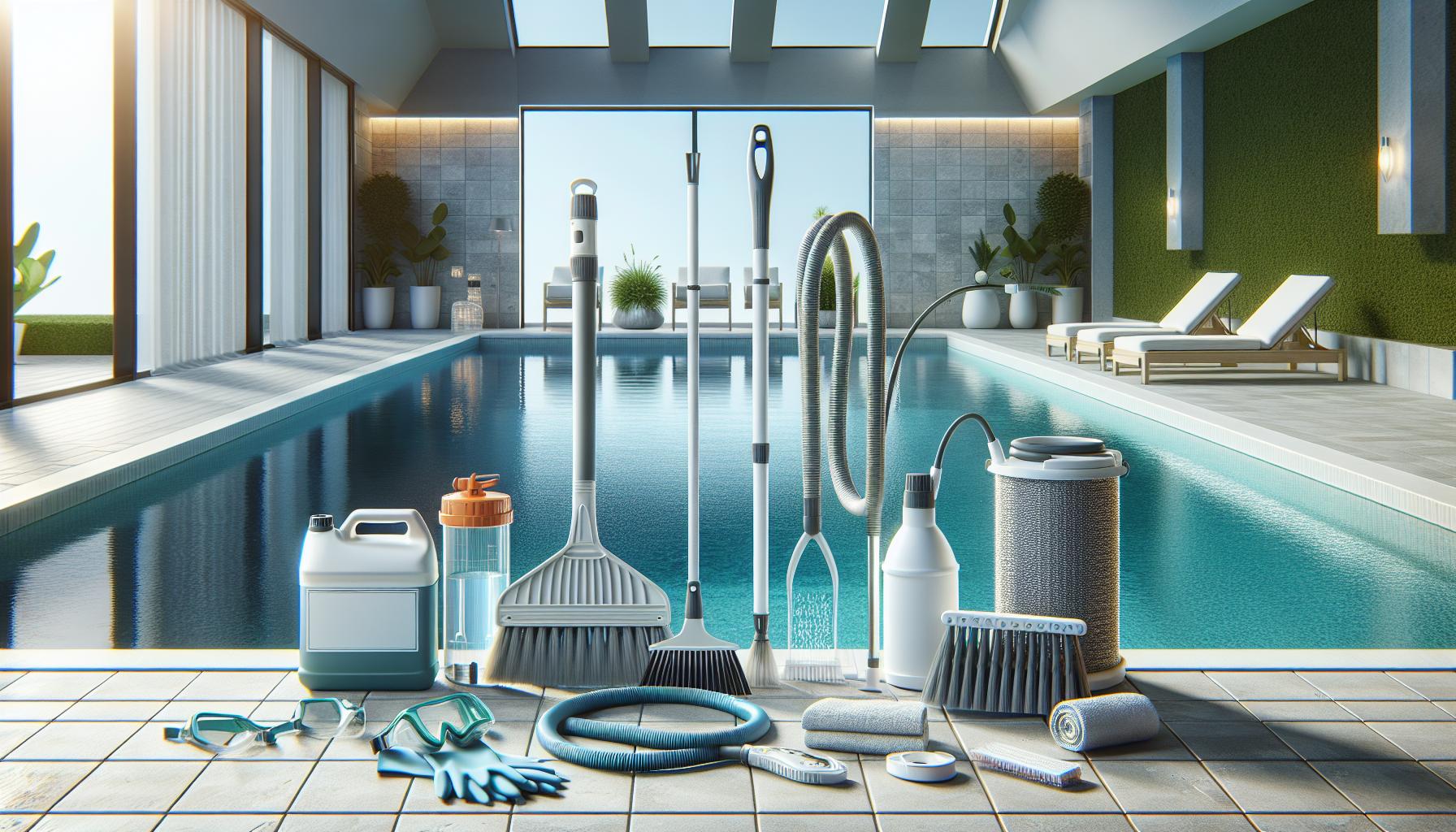
Maintaining a pristine pool environment is essential for both enjoyment and safety. When sand infiltrates your aquatic oasis, the right tools can make a significant difference in restoring clarity and cleanliness with minimal effort. Equipping yourself with essential cleaning tools can transform what might seem like a daunting chore into a straightforward maintenance task.
To tackle sand removal efficiently, consider the following tools:
- Pool Vacuum: A high-quality pool vacuum is your primary weapon against sand accumulation. Choose between manual and automatic options, ensuring it has sufficient suction power and a design appropriate for your pool type. An automatic pool cleaner can save time, while a manual vacuum allows for precise control.
- Fine Mesh Net Skimmer: A fine mesh net is indispensable for capturing larger particles and debris floating on the water’s surface or settled at the bottom. Regularly skimming the pool helps prevent deeper sand penetration, making subsequent cleaning easier.
- Sand Filter Maintenance Kit: If your pool uses a sand filter, having a maintenance kit on hand can ensure your filter is always operating efficiently. This kit typically includes replacement sand, plus tools for backwashing and cleaning the filter when sand spills over.
- Brush: A sturdy pool brush is essential for scrubbing down the walls and the pool floor. Using a brush helps dislodge any trapped sand, making it easier for your vacuum to pick it up.
- Water Testing Kit: Keeping your water chemistry balanced can prevent sand from becoming a recurring issue. Regular testing ensures your pool’s pH, alkalinity, and sanitizer levels are optimal, which in turn helps filter efficiency.
Incorporating these tools into your regular pool maintenance routine can significantly reduce the hassle of sand removal. For instance, after a windy day or rain, proactively skimming and vacuuming can prevent sand buildup and keep your pool inviting. Observing and addressing issues early will empower you to maintain that sparkling clear water, transforming your swimming experience into a genuinely relaxing escape.
Step-by-Step Guide to Vacuuming Sand
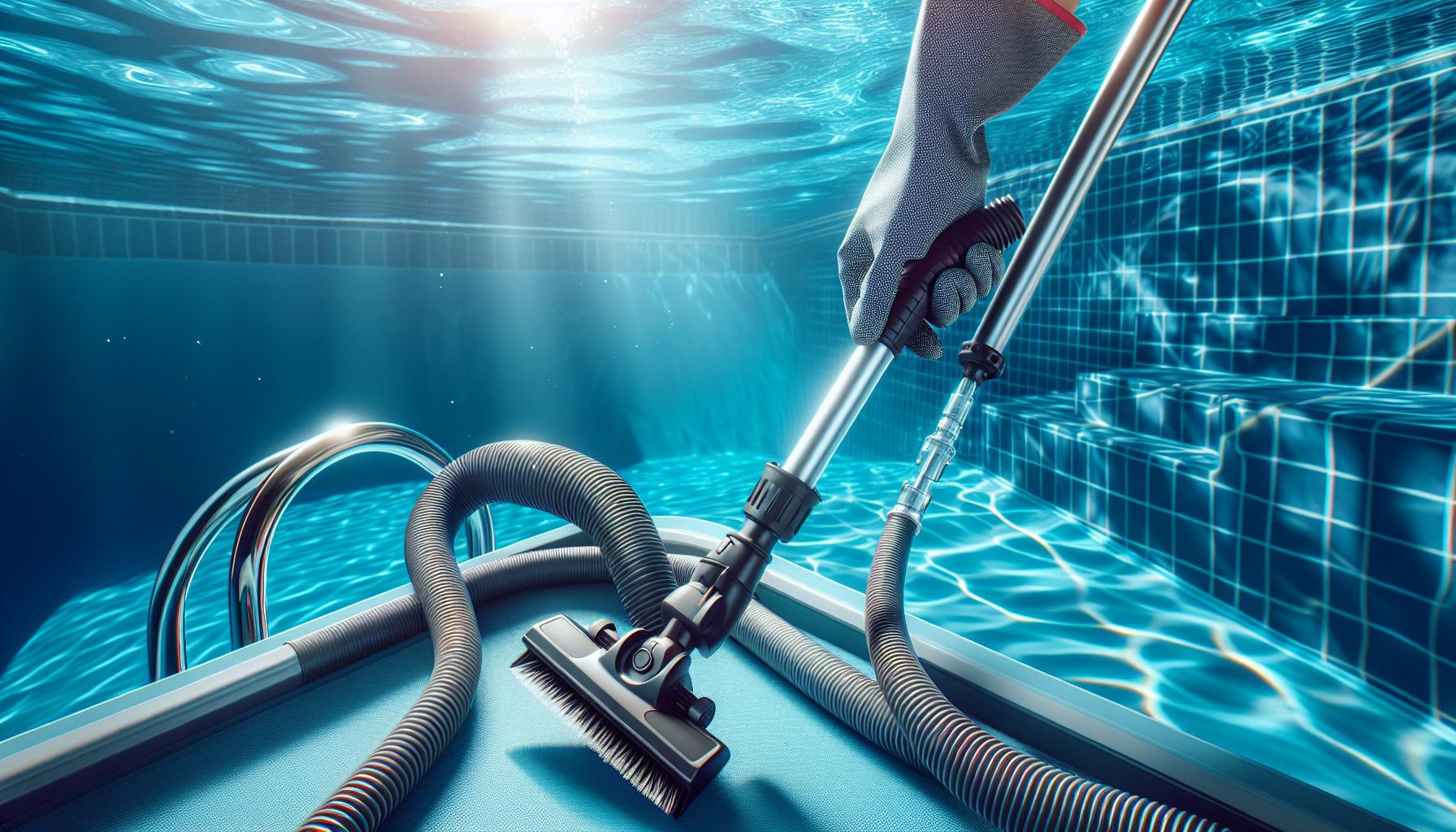
When sand settles in your pool, it can be frustrating, but with the right approach, you can eliminate it swiftly and effectively. Utilizing a vacuum is one of the most efficient ways to handle this task, ensuring that the sand is removed without too much hassle. Here’s how to vacuum sand out of your pool step by step.
First, start by preparing your pool area. Ensure your pool vacuum is compatible with your pool type, whether above-ground or in-ground. Check the hoses for any leaks and connect your vacuum head to the pole. Then, submerge the vacuum head in the pool, ensuring that the hoses are filled with water to avoid air pockets. This can help maintain suction during the vacuuming process.
Next, if you are using a manual vacuum, position yourself at the edge of the pool and begin by running the vacuum head along the bottom, moving in a slow and steady manner. Work in sections, slightly overlapping each pass to ensure complete coverage. If sand is particularly concentrated in one area, spend extra time vacuuming that spot. For automatic vacuums, simply start the unit and let it handle the cleaning process, but monitor it to ensure it is effectively picking up the sand.
After vacuuming, it’s crucial to backwash your filter. Sand can clog the system, and backwashing helps to flush out any contaminants. Follow the manufacturer’s instructions to ensure you are doing it correctly. If your pool has a sand filter, check the pressure gauge; if it reads higher than normal, it might be an indication that backwashing is needed more urgently.
Finally, regularly inspect and maintain your pool vacuum and filter to prevent future sand build-up. Taking the time to vacuum sand promptly will not only keep your pool looking pristine but will also enhance the overall swimming experience, allowing you to relax and enjoy your aquatic retreat without worry.
Utilizing a Pool Filter to Eliminate Sand
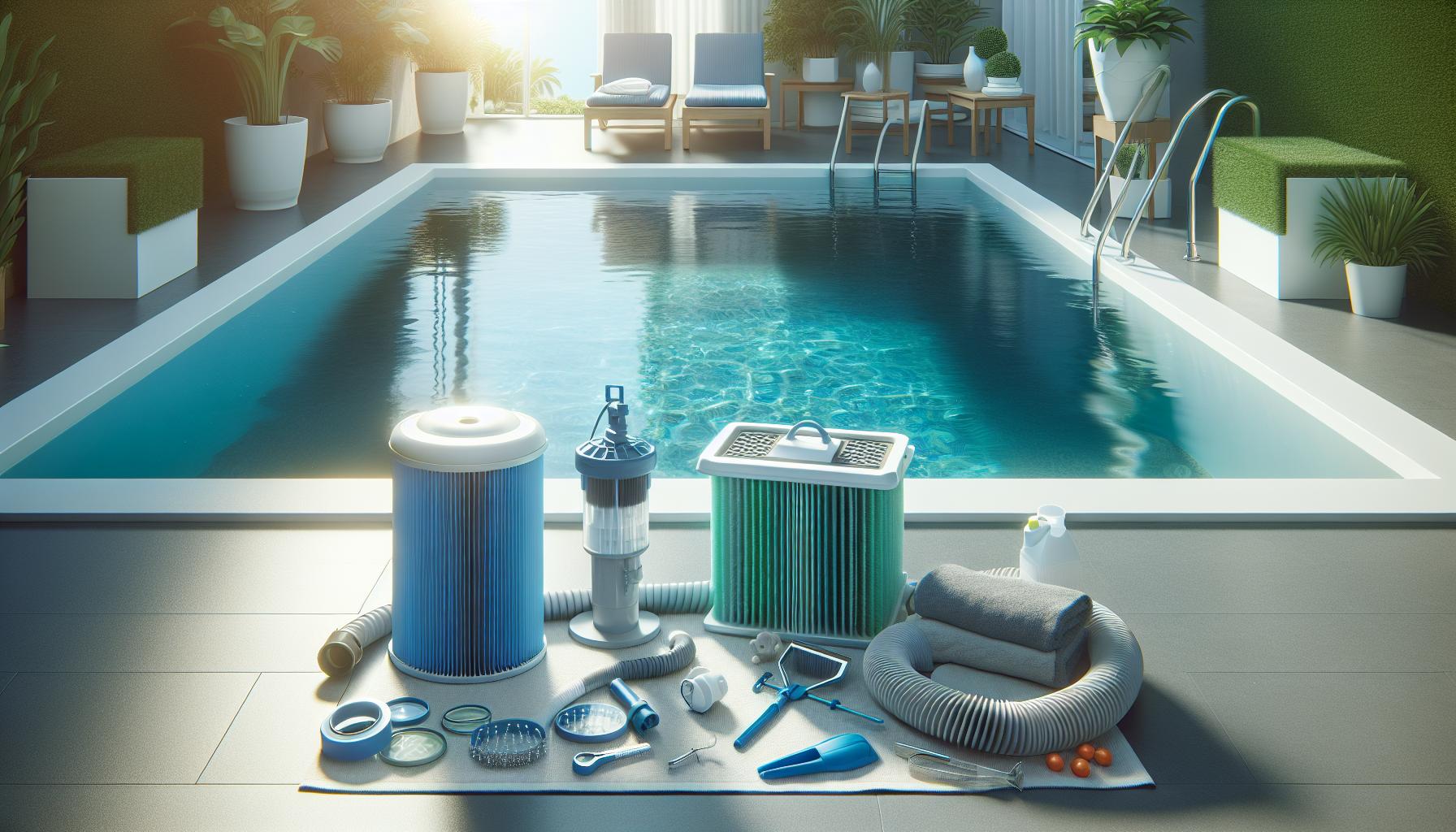
When it comes to tackling sand in your pool, your filtration system is one of your best allies. By leveraging your pool filter, you can effectively eliminate unwanted sand and ensure your water remains sparkling clean. A well-maintained filtration system not only traps sand particles but also helps in the overall clarity and hygiene of your pool water.
Understanding Your Pool Filter
Every pool owner should be familiar with their pool filter type-namely sand, cartridge, or diatomaceous earth (DE) filters. Sand filters, for instance, work by using a mixture of special sand to physically trap dirt and debris, including sand particles. To harness this system effectively, start by checking the pressure gauge on your filter. If the pressure is 8-10 psi above normal operating levels, it’s a sign that your filter is clogged with sand and other debris, necessitating immediate attention.
Steps to Utilize Your Pool Filter
To maximize your pool filter’s effectiveness, follow these steps:
- Backwash the Filter: This process resets the filtration system. Backwashing involves running the filter in reverse to flush out accumulated contaminants. Always consult your filter’s manual for detailed backwashing instructions.
- Inspect the Sand: If you have a sand filter, periodically inspect the sand inside it. Over time, the sand can become compacted and less effective. It may need to be replaced every 3-5 years, depending on usage and local conditions.
- Regular Maintenance: Keep a consistent maintenance schedule. Regularly cleaning and maintaining the filter will significantly extend its life and keep your pool in pristine condition.
Dealing with Persistent Sand Issues
If sand continually resurfaces in your pool, consider adjusting your pool cleaning and filtration routine. Ensure that your filter is running long enough each day-ideally, for 8-12 hours, depending on your pool size and usage. Utilize a vacuum with a filter setting designed to catch small particles; this will significantly aid in sand removal. Additionally, ensure that any inflow lines or returns are properly aligned, as misdirected currents can stir up sand and prevent it from settling in the filter.
By understanding and effectively utilizing your pool filter, you can combat sand build-up with confidence, ensuring a clean and inviting swimming experience. Regular checks, timely maintenance, and precise filtration settings play crucial roles in keeping your pool free of sand and other debris.
Natural Methods for Flushing Out Sand
To effectively flush out sand from your pool using natural methods, consider leveraging the power of your pool’s water flow and some simple techniques that can make a significant difference. These methods not only minimize the need for extensive chemical treatments but also promote a more eco-friendly maintenance routine.
Start by utilizing your pool’s water circulation. Adjust the water flow by turning on your pump and directing the returns towards the areas where sand accumulates, typically around steps or shallow ends. This process can help dislodge sand particles and encourage them to flow toward your filtration system. Make sure to run the pump for several hours to maximize the effectiveness of this technique.
Additionally, using a combination of garden tools and household items can create a gentle yet effective flushing mechanism. A pool skimmer or a fine mesh net can be very effective at removing floating debris that often accompanies sand. By skimming the surface regularly, you prevent larger particles from settling back down where they can contribute to a sand buildup.
For larger sand deposits, consider creating a DIY sand removal device. A simple collection system using a wet/dry vacuum can be beneficial. Simply place the vacuum head over the sandy areas and allow it to suck up the sand while adding a small amount of water to help keep the dust from stirring up. This method is particularly useful for removing sand from pool corners or steps where conventional sweeping might not reach effectively.
Remember to combine these techniques with routine maintenance practices. Check and clean your pool’s filter regularly since a clogged filter can contribute to sand re-entering the pool. By incorporating these natural methods, you can maintain a cleaner pool environment while reducing reliance on chemicals and heavy-duty cleaning solutions.
Preventing Sand Build-Up in Your Pool
To maintain an inviting swimming environment, proactively preventing sand buildup in your pool is essential. Sand can detract from your pool’s appearance and make it less pleasant to use, but various strategies can help keep it at bay. One effective approach is to regularly monitor and maintain the filtration system. Ensure that your pool filter is clean and functioning properly, as a clogged filter can lead to sand particles escaping back into the water. Consider cleaning the filter at least once a month, or more frequently if your pool is heavily used or located near sandy areas, to ensure optimal performance.
Another simple yet effective method is to use barriers. If your pool is surrounded by sand, adding landscaping features like plants or rocks can reduce the amount of sand that gets blown or washed into the pool. Installing a pool cover when the pool is not in use can also help. Covers keep out debris and minimize water evaporation, both of which help reduce the influx of sand during windy days or storms.
Additionally, establish a routine cleaning schedule. Skim the surface of your pool regularly using a fine mesh net to catch any floating sand or debris. This prevents sand from settling and becoming a larger problem. Implementing this practice, combined with regular brushing of the pool walls and floor, will ensure that any sand that does get into the pool is addressed before it can accumulate.
For pools near the beach or sandy environments, consider having an outdoor shower or foot rinse station. Encourage swimmers to rinse off before entering the pool to wash off any sand stuck to their bodies. This small step can dramatically reduce the amount of sand that makes its way into the water, helping you keep your pool clean and maintaining that crystal-clear look. By adopting these proactive measures, pool owners can minimize the chances of sand build-up and enjoy a cleaner, more enjoyable swimming experience.
Troubleshooting Common Sand-Related Issues
When sand starts accumulating in your pool, it can feel like a daunting task to restore your oasis to its pristine state. However, becoming familiar with common sand-related issues and their solutions can empower you to tackle this challenge confidently. Understanding these problems begins with recognizing the signs: cloudy water, sandy deposits on the pool floor, or even a sluggish filtration system can all indicate an issue that needs addressing.
One common problem pool owners encounter is that sand can originate from a malfunctioning pool filter. When a filter becomes dirty or damaged, it can fail to trap sand particles, allowing them to re-enter the pool. To troubleshoot this, first inspect your filter for any visible signs of wear or tear. If the filter appears dirty, follow these steps:
- Backwash the Filter: If you have a sand or DE filter, backwash it according to the manufacturer’s instructions to remove captured debris, including sand.
- Check for Damage: Look for cracks or breaks in the filter housing or the sand itself. If any damage is found, consider replacing the filter media or the entire unit.
- Inspect the Multi-Port Valve: If using a multi-port valve, ensure it’s functioning properly and not stuck in the wrong position, which can allow sand to flow back into the pool.
Another issue may stem from swimmers tracking sand into the pool area. To mitigate this risk, consider establishing “no shoes” zones in the vicinity of your pool. Create an outdoor rinse station with a handheld shower that encourages guests to wash off any sand before entering. If sand is already in the pool, use a fine mesh skimmer net to scoop up visible particles regularly, which not only clears sand but also keeps your pool welcoming.
If sand is settling on the bottom despite your cleaning efforts, a vacuum may be necessary. For effective cleaning, employ a manual vacuum with a sand-specific attachment or a pool wall vacuum, which can help suction sand from tricky corners and the floor. Regular monitoring and maintenance can drastically reduce the persistence of sand in your pool and enhance your overall swimming experience.
Ultimately, dealing with sand-related issues becomes much easier when you are prepared with proactive measures and solutions. If these methods don’t resolve the problem or the accumulation persists, it may signal deeper issues within your pool’s filtration system or design, warranting a consultation with a pool professional.
Tips for Maintaining a Crystal Clear Pool
Maintaining a crystal-clear pool not only enhances your swimming experience but also extends the lifespan of your pool equipment. To keep your pool free of bothersome sand and other debris, cultivate a consistent cleaning routine and implement a few proactive strategies. This approach not only prevents sand accumulation but also ensures optimal water quality and clarity.
One of the best practices for achieving and maintaining crystal-clear water is to perform regular water tests. Frequent testing helps ensure pH, chlorine levels, and alkalinity fall within the ideal ranges, preventing the growth of algae and other contaminants that can cloud your water. Invest in a reliable test kit and immerse yourself in the nuances of balancing your pool chemistry. Adjusting chemical levels promptly upon receiving test results can make a significant difference and lead to clearer water.
Another essential aspect of pool maintenance is efficient filtration. Ensure your pool filter is functioning properly by inspecting it monthly and cleaning or replacing the filter media as necessary. A clean filter efficiently traps debris, including sand, minimizing the chances of it returning to the pool. Additionally, consider running your filtration system for at least eight hours a day, especially during peak swimming season, to effectively circulate and clean the water.
Regular brushing and vacuuming also play crucial roles in keeping your pool in top shape. Brush the pool walls and floor at least once a week to dislodge dirt and sand that may be clinging to the surfaces. After brushing, use a manual vacuum or vacuum head attached to your filter to remove the sand and other debris that have settled. You may also want to use a fine mesh skimmer daily to catch any floating debris, ensuring a clean and inviting swimming environment.
Lastly, create a “sand-free zone” around your pool area by encouraging guests to rinse off sand before entering. Setting up a simple outdoor shower or foot bath can drastically reduce the amount of sand that makes its way into your pool. Coupled with vigilant cleaning practices, these preventative measures form the backbone of maintaining clear, beautiful water that enhances your pool enjoyment while safeguarding your equipment.
When to Call a Professional for Pool Cleaning
When it comes to maintaining a pristine pool, sometimes the DIY approach might not be enough, especially when dealing with persistent sand issues. If sand continues to accumulate despite your regular cleaning efforts, it may be time to consider professional assistance. Professionals bring expertise and specialized equipment that can efficiently tackle stubborn sand buildup that manual methods may not resolve.
It’s particularly wise to call in the experts if you notice an unusual increase in sand levels, especially after heavy rains or pool parties where more debris is introduced. Professionals can perform a thorough inspection to determine whether the sand is a symptom of larger issues, such as filtration problems or improper pool surface integrity. They can also apply treatments like acid washing or deep-cleaning processes that require advanced skills and tools that most homeowners do not possess.
If your pool has been prone to recurrent sand issues, it’s essential to assess the age and condition of your filter system. An aging or malfunctioning filter may contribute to ongoing problems that can only be effectively rectified by replacing parts or the entire system. A professional can provide expert recommendations tailored to your specific pool type and usage, ensuring that all aspects of maintenance are optimized to prevent further sand accumulation.
Ultimately, while routine home maintenance is critical, recognizing when to call in professionals can save you time and frustration, and ensure your pool remains a clean, enjoyable space. Investing in expert cleaning not only resolves current issues but can also enhance your pool’s longevity and performance, allowing you to focus on enjoying your swimming experience.
Seasonal Pool Maintenance Practices You Should Adopt
Maintaining your pool through the changing seasons is crucial, especially when it comes to dealing with sand accumulation. As the weather warms up, many pool owners notice increased debris and sediment, which can lead to minor headaches if left unchecked. Implementing effective seasonal maintenance practices not only helps in keeping sand at bay but also ensures sparkling clean water for your enjoyment.
Regular Cleaning Schedule
Establishing a regular cleaning schedule is essential. Aim to clean your pool at least once a week during peak swimming season. This includes skimming the surface for leaves and debris, brushing the walls, and vacuuming the floor where sand often settles. Keeping the pool’s chemistry balanced can also prevent sand-related issues from worsening.
Inspecting and Maintaining the Filter System
Your pool’s filter is a critical component in managing sand. Regularly inspect your filtration system for clogs and clean or replace the filter media as necessary. A backwash of sand filters is crucial during seasonal transitions to flush out built-up debris and ensure optimal performance. This simple step can dramatically reduce the amount of sand that makes its way back into the pool.
Managing Water Levels
Monitor the water levels, particularly after heavy rainfall or pool parties. Sand can easily wash into the pool from surrounding areas or be introduced during activities. Maintain proper levels-generally midway up the skimmer-to facilitate efficient skimming and filtration. If water levels rise too high, use a submersible pump or the pool’s pump to lower them back to ideal levels.
Covering the Pool
In off-seasons or when the pool is not in use, consider using a cover. A well-fitted pool cover can prevent debris, including sand, from entering the pool, significantly reducing the workload during maintenance. Moreover, it can help maintain water temperature and reduce chemical use, making it an effective seasonal investment.
By adopting these seasonal maintenance practices, you empower yourself to manage sand effectively while fostering an inviting and enjoyable swimming environment. Implementing a proactive approach will not only mitigate current issues but can also prolong the life of your pool, ensuring a delightful experience for you and your family all summer long.
Eco-Friendly Solutions for Sand Removal
When it comes to maintaining a clean swimming pool, sand can be one of the more frustrating contaminants to remove, but eco-friendly methods are both effective and gentle on the environment. One of the simplest ways to address sand accumulation is to utilize natural filtration systems, enhancing your pool’s existing filtration setup with an additional layer of purifying agents such as diatomaceous earth (DE) or natural sand filters. These materials can improve water clarity without introducing harmful chemicals, making them a smart choice for eco-conscious pool owners.
Additionally, consider using a solar or manually powered vacuum device designed for pools. These vacuums often require no electricity and can efficiently pick up sand while minimizing environmental impact. They operate by creating suction without the need for chemical additives, ensuring your pool remains clean while staying aligned with sustainable practices. After vacuuming, regularly backwashing your main filter can further help remove trapped sand, promoting a cleaner pool environment naturally.
Another effective strategy is to engage in regular water testing and balancing, which can prevent conditions that lead to sand issues. When pool chemistry is balanced-particularly pH and alkalinity-it reduces the likelihood of sand buildup and enhances the effectiveness of your filtration systems. For instance, maintaining proper levels can prevent sediment from precipitating out of the water and settling at the bottom of your pool.
Lastly, investing in a well-fitted pool cover not only keeps debris out but also mitigates the chances of sand entering the pool from surrounding areas. A cover can reduce the cleaning time significantly, allowing you to enjoy your pool without the hassle of constant maintenance. Remember, by adopting these eco-friendly methods, you contribute to a healthier environment while ensuring your swimming pool remains a clean and inviting space.
Frequently Asked Questions
Q: What is the best way to remove sand from a pool?
A: The best way to remove sand from a pool is to use a pool vacuum specifically designed for sand removal. Start by attaching the vacuum to the pool’s filter system and thoroughly vacuum the sand-covered areas. For effective results, use a manual vacuum or a robotic vacuum with sand filtering capabilities.
Q: How can I prevent sand from accumulating in my pool?
A: To prevent sand accumulation, regularly clean the pool area, especially after windy days. Installing a pool cover and limiting sandy footprints near the pool can help reduce the introduction of sand. Additionally, ensure your pool’s filtration system is working efficiently to catch any sand particles.
Q: Why does sand keep appearing in my pool?
A: Sand may keep appearing in your pool due to improper filtration, a damaged pool filter, or sand from nearby landscaping or beach activities. It’s crucial to check the integrity of your pool filter and maintain a routine cleaning schedule to address recurring issues.
Q: Can I use my pool filter to clean sand?
A: Yes, you can use your pool filter to clean sand. Set the filter to ‘waste’ mode to directly flush out sand from the pool. Be sure to backwash the filter frequently during this process to maintain its efficiency.
Q: How often should I clean sand out of my pool?
A: You should clean sand out of your pool whenever you notice it accumulating. Regular maintenance, including weekly cleaning sessions and periodic deep cleans, will prevent excessive buildup and maintain water clarity.
Q: What tools do I need for cleaning sand from a pool?
A: Essential tools for cleaning sand from a pool include a pool vacuum, a skimmer net, a brush, and possibly a hose for manual vacuuming. Investing in a quality pool filter will also help in removing tiny sand particles efficiently.
Q: How do I troubleshoot sand issues in my pool?
A: Start troubleshooting sand issues by checking the filter for clogs or damage. Inspect the return jets for sand discharge and examine the sand in the filter itself for any signs of backflow. If problems persist, consider replacing sand or consulting a professional.
Q: Are there eco-friendly methods for removing sand from a pool?
A: Yes, eco-friendly methods include using natural pool clarifiers that help bind sand particles for easier removal. Additionally, regularly skimming and vacuuming the sand will minimize the need for chemical solutions, fostering a more environmentally sustainable cleaning routine.
In Conclusion
Now that you’re equipped with effective methods to remove sand from your pool, don’t let those pesky particles spoil your swim. Implement these straightforward techniques today to ensure a clean and enjoyable swimming experience for you and your family. If you’re facing persistent sand problems, be sure to check out our detailed guide on managing pH and total alkalinity, which can help in maintaining optimal water conditions for your pool swimming pool test kits to further elevate your pool maintenance skills [2[2]. We’d love to hear your experiences-share your cleaning tips in the comments below or connect with our community of pool owners to ask questions and share insights. Don’t forget to bookmark this page for future reference, and subscribe to our newsletter for the latest pool care advice and updates. Dive into a cleaner, clearer pool today!


