

Did you know that water bugs are often mistaken for roaches but thrive in pools due to stagnant water? If you’ve noticed these unwelcome guests, you’re not alone. Many pool owners face the frustration of dealing with water bugs that can quickly turn a refreshing dip into a creepy-crawly experience.
Understanding how to effectively remove and prevent water bugs is essential not only for maintaining your pool’s cleanliness but also for ensuring a safe and enjoyable swimming environment. In this article, you’ll discover practical steps for fast removal and preventive measures to keep your pool clear of these pests. With the right knowledge and strategies, you can reclaim your pool and enjoy it worry-free. Let’s dive into these essential tips!
How Water Bugs Invade Your Pool: Understanding the Problem
Water bugs can be unwelcome guests in your pool, often making their appearance surprising and concerning for pool owners. These pests are usually attracted to stagnant or warm water, where they can thrive and reproduce. Recognizing the paths through which water bugs invade your pool is crucial for effective management. They can enter through a variety of means, primarily by flying in from nearby bodies of water, such as lakes, ponds, or streams. They are particularly drawn to illuminated areas, making nighttime poolside lighting a potential invitation for these insects.
To minimize their access, it’s essential to inspect your surroundings regularly. Ensure that any nearby water features, such as fountains or birdbaths, are well-maintained and not overly stagnant. Additionally, consider the landscaping around your pool; tall grass, dense vegetation, or cluttered areas can serve as perfect harbors for insects awaiting the right moment to venture into the pool. Flying water bugs are especially attracted to light, so keeping poolside lights off during peak attraction times, particularly at night, can reduce their chances of landing in your water.
Regular maintenance of your pool area is key to prevention. This includes skimming the water’s surface daily to remove any bugs that may have already found their way in and ensuring the pool’s surrounding area is clean and well-maintained. Address any potential breeding sites in the vicinity, such as neglected gardening pots, old tires, or other containers that can collect water. By taking a proactive approach, you can significantly decrease the likelihood of water bugs turning your pool into their new home.
Identifying Water Bugs: Types and Characteristics
Water bugs, often mistaken for cockroaches, can invade your pool and create an unsettling scene for any pool owner. To effectively tackle this issue, it’s important to identify which type of water bug you’re dealing with. The common water bug species belong predominantly to the family of giant water bugs (Belostomatidae), and their characteristics can help differentiate them from other pests.
These aquatic insects tend to be brown or grayish and can grow up to 4 inches in length, making them quite recognizable if you’re looking closely. Their flat bodies and broad hind legs are adapted for swimming, allowing them to navigate through water with ease. Unlike other types of insects, water bugs have a distinctive head shape, often wider than the thorax, giving them a unique appearance. Adult water bugs are also known for their potent bite, which is often referred to as a painful experience, especially for those who accidentally encounter them in pools.
Common Types of Water Bugs
- Giant Water Bug (Belostoma spp.): The largest among the water bugs, these can span several inches and are noted for their aggressive nature.
- Toe Biters: This nickname refers to their painful bite and is commonly associated with giant water bugs.
- Water Scorpions: Though not true bugs, these insects resemble water bugs and can also be found around pools and stagnant water.
Understanding these distinctions allows you to properly assess the water bug situation in your pool. Regular inspections can help in these identification efforts and lead to prompt action when necessary. By being aware of their sizes and appearances, you can swiftly determine whether you are facing a minor nuisance or a more substantial infestation, ultimately aiding in effective removal and prevention strategies.
Effective Immediate Removal Techniques for Water Bugs
When water bugs invade your pool, swift action can prevent a minor annoyance from turning into a full-blown infestation. These aquatic pests, particularly the giant water bugs, can be quite tenacious, but with the right techniques, you can effectively remove them from your swimming area. Quick response to their presence is key to keeping your pool clean and enjoyable.
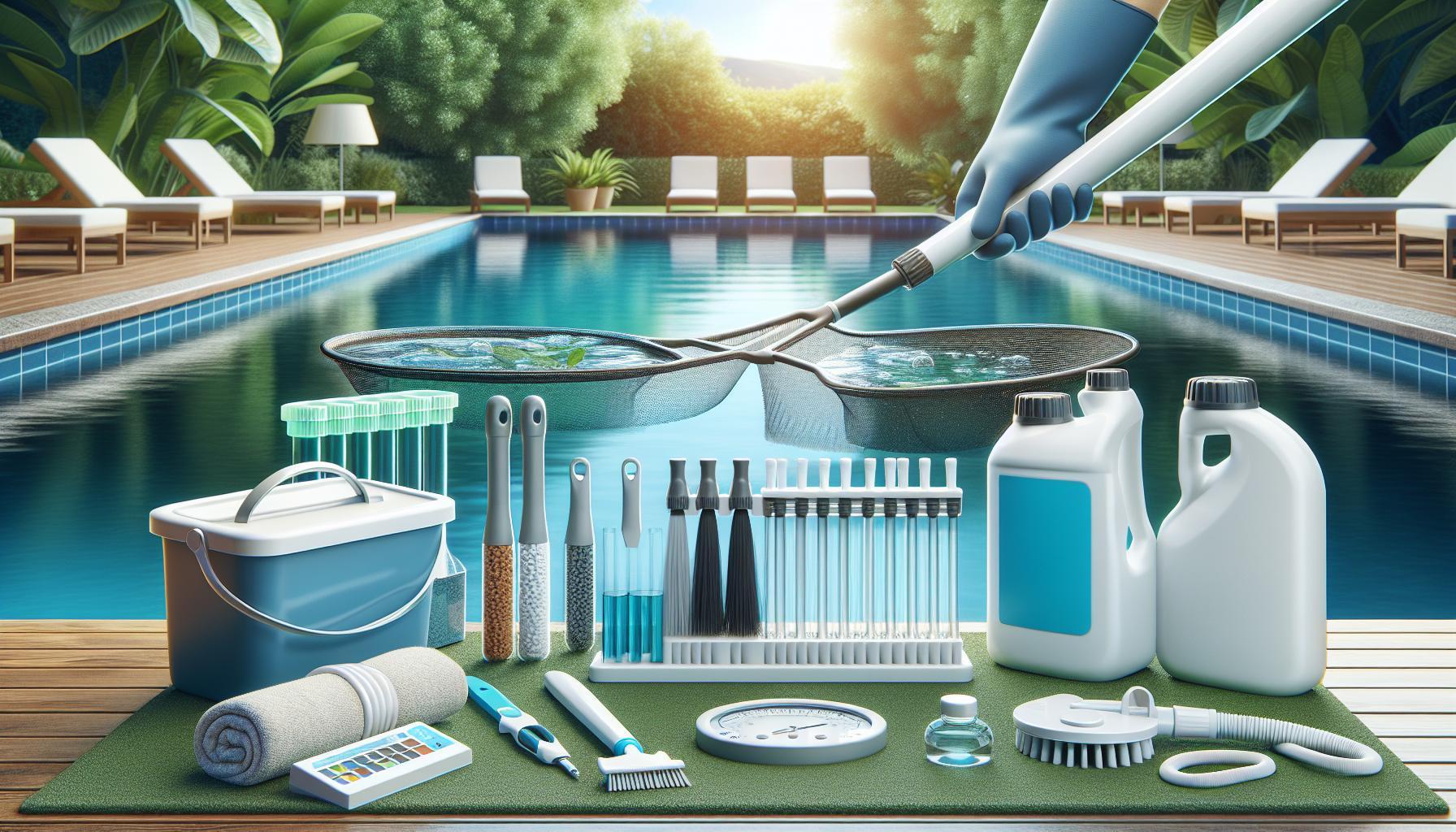
Start your removal process by using a long-handled net or skimmer to gently scoop the water bugs out of the pool. This method allows you to remove these insects without getting too close, minimizing the risk of being bitten. Carefully glide the net beneath the bug and lift it out swiftly. If you’re facing a significant number of bugs, consider this task as part of your routine pool maintenance to catch any invaders early.
If the water bug situation escalates, employing a vacuum designed for pools can be particularly effective. Set the vacuum to a high suction level and pass it over the areas where you’ve spotted the bugs. Make sure to thoroughly clean corners and hidden spaces, as bugs tend to hide in these regions. After vacuuming, be sure to empty the vacuum bag or contents promptly to prevent any bugs from escaping back into the pool.
For those with persistent problems, consider utilizing insect traps specific to water bugs. These traps can often provide a simple yet effective solution, capturing bugs as they approach the water’s surface. Place these traps strategically around your pool, ensuring they are regularly monitored and emptied. This dual approach of manual removal and trapping can significantly decrease the bug population in your pool, ensuring a clearer swimming experience.
By acting quickly and using these immediate removal techniques, you can regain control over your pool environment. Remember, maintaining vigilance and taking action at the first sign of water bugs is essential for keeping your pool free from these unwelcome guests.
Preventive Measures: Keeping Water Bugs Away
To create a water bug-free pool, maintaining a clean and unattractive environment is paramount. These pests are often attracted to still, dirty water, where they find food and breeding grounds. By implementing some straightforward practices, pool owners can significantly reduce the likelihood of water bugs making an appearance.
Regular Cleaning
One of the most effective ways to deter water bugs is to keep your pool clean and well-maintained. This includes:
- Skimming Debris: Regularly use a skimmer net to remove leaves, insects, and other debris from the water’s surface. This minimizes organic matter that can attract bugs.
- Vacuuming the Pool: Use a pool vacuum to remove dirt and grime that settles at the bottom, ensuring that algae, which can attract pests, doesn’t have a chance to grow.
- Cleaning the Surrounding Area: Maintain the area around the pool by trimming back overhanging plants and cleaning up any debris that could serve as a habitat for bugs.
Water Level and Circulation
Controlling the water level and ensuring proper circulation throughout the pool can also help minimize water bug attraction.
- Adequate Filtration: Ensure your pool’s filtration system is running optimally. A well-circulated pool prevents stagnation, which is a primary attractant for water bugs.
- Adjust Water Levels: Keep water levels slightly below the edge of the pool to prevent accumulation of debris and reduce access points for bugs.
Strategic Landscaping
It’s important to consider how your landscaping choices impact the presence of water bugs.
- Avoid Standing Water: Ensure that there aren’t any areas surrounding the pool that can collect standing water, such as bird baths or clogged gutters.
- Use Insect-Repelling Plants: Consider landscaping with plants known to repel insects, such as marigolds or lavender, around the pool to create an unfavorable environment for water bugs.
By integrating these practical measures into your pool care routine, you can foster a less inviting atmosphere for water bugs. Regular maintenance not only keeps your pool sparkling clean but also contributes to a more enjoyable swimming experience, allowing you to fully enjoy your outdoor oasis without the concern of unwelcome critters.
Maintaining Clean Water: Essential Pool Care Tips
To keep your pool free of unwelcome visitors like water bugs, maintaining crystal-clear water is essential. Clean, well-circulated water not only enhances your swimming experience but also minimizes the opportunity for pests to thrive. Regularly adhering to a comprehensive pool maintenance routine can significantly reduce the likelihood of water bugs making your pool their home.
Daily and Weekly Cleaning Routines
Implementing a consistent cleaning schedule will help keep your water bug-free. Daily tasks might include:
- Skimming the Surface: Use a skimmer net to remove debris such as leaves, bugs, and other organic matter from the surface of the water. This reduces potential food sources for water bugs.
- Checking Water Clarity: Make it a habit to observe the water’s clarity daily. If it appears cloudy, take immediate action to clarify it.
Weekly cleaning activities should consist of:
- Vacuuming: Use a pool vacuum to clean the bottom of the pool thoroughly. Regular vacuuming prevents dirt and algae buildup, which can attract pests.
- Brushing Walls and Tiles: Brush the pool surfaces to prevent algae growth, particularly in corners and edges where it tends to gather.
- Emptying Skimmer and Pump Baskets: Ensure that the skimmer and pump baskets are free of clogging debris for effective filtration.
Maintaining Proper Water Chemistry
Chemical balance is crucial in keeping your pool water clean and uninviting to bugs. Regular testing and adjustment of chemical levels can prevent algae growth. Here’s what to focus on:
- Chlorine Levels: Maintain a chlorine level of 1-3 parts per million (ppm) to effectively sanitize the water.
- pH Levels: Keep the pH between 7.2 and 7.8, which optimizes sanitizer efficiency and minimizes algae growth.
You can use pool test kits to check these levels weekly and adjust as necessary. This proactive approach not only preserves the quality of your water but also provides a less conducive environment for pests.
The Importance of Regular Filtration
Your pool’s filtration system plays a vital role in maintaining clean water. Ensure it operates efficiently by checking and replacing filters at recommended intervals.
- Run the Pump Daily: Aim to run your pool pump for at least 8-12 hours a day, especially during warmer months when water bugs are more prevalent.
- Backwash Filter Regularly: If you have a sand or DE filter, backwash it bi-weekly or as needed to maintain optimal flow and effectiveness.
Combining these essential maintenance practices not only makes your pool a treat for swimmers but also discourages water bugs from making it their habitat. By taking these steps, you can confidently enjoy your pool season after season, worry-free.
The Role of Pool Chemistry in Bug Prevention
Maintaining proper pool chemistry is essential not only for creating a safe swimming environment but also for deterring water bugs from taking up residence. When pool chemistry is out of balance, it can lead to algae blooms and other organic matter accumulation that attract these unwanted pests. Ensuring that your pool water is well-balanced sends a clear message to water bugs: this isn’t a suitable place for them to thrive.
To achieve this balance, focus on three critical components: chlorine levels, pH levels, and total alkalinity. The chlorine concentration in your pool water should ideally be maintained at 1-3 parts per million (ppm). This level effectively eliminates bacteria and deters algae, making your pool less appealing to pests. You can measure chlorine levels using pool testing kits available at most pool supply stores. Regular adjustments can keep the levels within this safe range, ensuring a clean and inviting swimming pool.
Equally important is maintaining the pH of your pool water between 7.2 and 7.8. This range optimizes the effectiveness of chlorine and helps fend off algae, which not only makes the pool grimy but also serves as a food source for water bugs. If the water’s pH is too high or too low, it can lead to scaling or corrosion of your pool, and further complicate the chemical balance. You can adjust pH levels using pH increasers or decreasers, which are readily available at pool supply stores.
In addition to these parameters, monitoring total alkalinity is crucial, as it acts as a buffer for pH levels and helps stabilize the overall chemistry of the pool. Keeping total alkalinity between 80-120 ppm can help to prevent drastic fluctuations in pH, creating a consistently less hospitable environment for water bugs. By prioritizing these aspects of pool chemistry, you not only enhance the safety and comfort of your pool experience but also significantly diminish the likelihood of water bug infestations, allowing you to enjoy your pool worry-free.
Using Natural Remedies for Water Bug Control
Natural remedies can be an effective and environmentally friendly way to control water bug populations in your pool. While chemical treatments are commonly used, many pool owners prefer solutions that are gentle on both water and swimmers. Here’s how to utilize natural approaches for a cleaner, bug-free swimming experience.
One of the easiest methods is to introduce natural repellents into your pool environment. For instance, essential oils such as peppermint, citronella, and tea tree oil are known for their insect-repelling properties. To use, mix a few drops of your chosen essential oil with a carrier oil or unscented liquid soap and disperse it in your pool water. This not only adds a pleasant scent but can create an unwelcoming environment for bugs.
Another effective natural remedy involves the use of diatomaceous earth (DE). This powder, made from fossilized marine phytoplankton, is non-toxic to humans and pets but can be destructive to insects with exoskeletons, including water bugs. Sprinkling a thin layer around the pool’s perimeter or in the water can help eliminate existing bugs and deter new ones. Just be mindful to ensure that any addition to the pool does not exceed recommended safety levels and is properly filtered out afterwards.
Maintaining a healthy ecosystem is also critical; beneficial insects, such as dragonflies, can help control water bug populations naturally. If feasible, consider adding plants that attract these insect predators around your pool area, which can create a more balanced environment.
Lastly, regular cleaning and maintenance of your pool area will significantly reduce conditions favorable to water bugs. Skim debris off the surface, clean the filter regularly, and remove any standing water outside of the pool. These practices not only keep your pool inviting but also limit water bug habitat, maximizing the effectiveness of any natural remedies you apply.
By incorporating these natural techniques, you can confidently manage water bug control and enjoy a refreshing swim without the worry of pests.
When to Call Professionals for Water Bug Infestations
When it comes to handling water bug infestations in your pool, knowing when to call in the professionals is essential for restoring your swimming environment. Water bugs, while often manageable with DIY methods, can sometimes become overwhelming, leading to persistent infestations that standard removal techniques can’t handle effectively. If you start noticing an unusually high number of these pests-especially if they appear frequently despite your cleaning efforts-it may be time to seek expert assistance.
Signs It’s Time for Professional Help: If you find yourself engaging in repeated battles against water bugs without substantial success, you might be dealing with an underlying issue that requires professional expertise. Consider reaching out to pest control specialists if you observe the following:
- Persistent Infestations: If after multiple cleanings and natural treatments, water bugs still infest your pool, it’s a sign that they may be breeding nearby.
- Unfamiliar Variety: Not all water bugs are created equal. If you encounter what seems like a new or different species, getting expert identification can help in choosing the right treatment method.
- Widespread Issues: If bugs are showing up not just in the pool but also in adjoining areas like your yard or home, pest professionals can tackle the larger problem effectively.
Benefits of Calling Professionals
Engaging a pest control service comes with its advantages. Professionals possess the tools and knowledge not only to eliminate existing bugs but also to assess your property for potential breeding grounds. They can implement targeted treatments that are more potent and longer-lasting than at-home methods.
Moreover, expert technicians can analyze your pool’s ecosystem, identify why bugs are being attracted and recommend long-term preventive strategies. This kind of comprehensive service ensures that once the bugs are gone, they are less likely to return.
If you decide to seek professional help, ensure you choose a service with experience in dealing with water bugs specifically. Look for companies that offer guarantees on their work and provide follow-up services to check for re-infestation. Handling water bug infestations effectively not only restores your pool’s usability but also gives you peace of mind for your home’s overall safety and cleanliness.
Seasonal Strategies for Water Bug Prevention
Water bugs can significantly disrupt the serenity of a well-maintained pool, especially during the warmer months when they tend to reproduce more prolifically. Understanding the seasonal patterns of these pests can empower pool owners to adopt effective prevention strategies. As temperatures rise in the spring and summer, the risk of water bugs invading pools increases. To combat this, proactive measures should be adjusted according to the season.
In spring, it’s crucial to prepare your pool area by ensuring proper maintenance of surrounding landscaping. Overhanging trees and dense shrubbery can provide water bugs with ideal hiding spots. Trimming back vegetation significantly reduces their refuge, making your pool less inviting. Additionally, regular cleaning of the pool area is essential; remove any debris or leaves that may collect in and around the pool, as these can attract insects. Consider using a skimmer net regularly to catch any bugs before they settle.
As summer peaks, intensifying preventive measures becomes key. Maintain your pool’s chemical balance, as correct levels of chlorine and pH can deter water bugs, which thrive in poorly maintained water. Regularly test the water and adjust treatments as necessary to keep it crystal clear and prevent organic accumulation. Additionally, consider using fine mesh pool covers during the night, when lights attract flying insects. This simple step blocks access points while allowing for easy removal when using the pool.
In the fall, the focus shifts to preparing your pool for winter, but also includes a final push in preventing water bug invasions. Just as with spring, routinely clear out any debris accumulating in and around the pool. Consider placing traps near potential entry points as temperatures drop, as water bugs begin seeking warm shelter. These seasonal strategies not only protect your pool but also enhance your outdoor space, ensuring that it remains inviting and pest-free year-round.
Common Myths About Water Bugs in Pools Debunked
Water bugs are often the source of much misinformation, leading pool owners to adopt ineffective or even counterproductive strategies for control and prevention. One common myth is that simply maintaining a chlorinated pool will eliminate the risk of water bug infestations. While it’s true that proper pool chemistry kills many harmful organisms, water bugs are resilient pests that can thrive in a variety of conditions, including well-maintained pools. Maintaining proper chlorine and pH levels is essential, but it should be part of a broader prevention strategy that includes regular cleaning and physical barriers to entry.
Another misconception is that water bugs are only attracted to dirty water. While stagnant and unclean water certainly creates an ideal environment for them, clear and clean pools can also attract these pests, especially if there are nearby natural bodies of water. Water bugs can travel significant distances from ponds or streams to find shelter, leading them to pools with lush surroundings or areas with abundant food sources, such as insects drawn to pool lighting. This highlights the importance of managing the landscaping around your pool to diminish hiding spots and access routes for water bugs.
Furthermore, many pool owners believe that once they have encountered water bugs, it is impossible to eradicate them completely. This is not true; there are effective control methods available. These include using targeted traps and natural repellents such as essential oils that can disrupt their habitat. By consistently employing these strategies and understanding the seasonal patterns of water bug behavior, you can significantly reduce the chances of an infestation. Being proactive, rather than reactive, is crucial in combating these pests and maintaining your pool’s tranquility.
It’s also a misconception that professional pest management is always necessary for water bug control. While experts can provide valuable assistance, many effective tactics can be implemented by homeowners themselves. For example, investing in durable pool covers and ensuring regular pool maintenance are practical steps that can be taken to mitigate the presence of water bugs without professional intervention. By staying informed and actively managing your pool environment, the threat of water bugs can be significantly minimized.
Impact of Landscaping on Water Bug Attraction
Landscaping choices around your pool can significantly influence the presence of water bugs, often without owners realizing it. These insects are not only drawn to the water itself but also thrive in habitats that provide them with shelter and food sources. Understanding how your outdoor environment can either invite or deter these pests is crucial for maintaining a bug-free pool area.
To start, overgrown vegetation near your pool is a primary attraction for water bugs. Lush plants can provide both shelter and breeding grounds for a variety of insects that water bugs feed on. For instance, if your landscape includes tall grasses or dense shrubs, consider trimming them back or replacing them with lower-maintenance plants that don’t attract as many pests. Additionally, using mulch or decorative stones instead of grass in the areas immediately surrounding the pool can reduce hiding spots for insects.
Another significant factor is standing water in landscaping features such as birdbaths, clogged gutters, or decorative ponds. Water bugs thrive in stagnant water, and even a small pool can serve as a breeding ground. Regular maintenance of these features is essential; ensure that any standing water is regularly changed or eliminated. If you have ornamental ponds, consider installing circulating pumps to prevent stagnation.
Proper landscaping design can also create barriers against water bug entry. Implementing strategic hardscaping elements such as patios, decks, and stone pathways can create physical barriers that prevent water bugs from easily accessing your pool. Keep these areas well-maintained and clear of debris, as organic matter can attract additional pests. Incorporating native plant species that deter harmful insects naturally can further enhance your pool’s defenses against water bugs.
In summary, proactive landscaping not only makes your pool area more inviting for your family but also minimizes the attractiveness to water bugs. By maintaining a well-kept yard, reducing standing water, and employing physical barriers, you can significantly reduce the risk of these pests invading your space, ensuring a more enjoyable swimming experience.
Q&A
Q: How can I tell if I have a water bug infestation in my pool?
A: You can identify a water bug infestation by observing excessive water bug activity around the edges of your pool, seeing water bug droppings, or noticing damaged plants in the surrounding area. Check for frequent sightings, especially during warm evenings, which can indicate a larger problem.
Q: What chemicals are best for eliminating water bugs in pools?
A: Chlorine-based shock treatments are effective for reducing water bug populations. Ensure your pool’s chemical balance is maintained, particularly pH and alkalinity, as this creates an environment less conducive to bugs. Always follow manufacturer guidelines for chemical usage.
Q: Are water bugs harmful to pets or humans in swimming pools?
A: Water bugs are generally not harmful to pets or humans but can cause allergic reactions in sensitive individuals. They may also pose a risk of contamination if they die in pool water. Regular cleaning and maintenance can prevent any health concerns.
Q: What natural remedies can I use to repel water bugs in my pool?
A: Natural remedies like essential oils (tea tree, peppermint) can deter water bugs. Mix a few drops in water and spray around the pool perimeter. Additionally, maintaining a clean pool and reducing debris will naturally repel them.
Q: When is the best time to treat my pool for water bugs?
A: Early morning or just before dusk is the best time to treat your pool for water bugs, as they are most active during these times. Regular inspections and treatments during peak bug season (late spring to early fall) are also advisable for effective management.
Q: How often should I check for water bugs in my pool?
A: Inspect your pool for water bugs at least once a week, particularly during warmer months when they are more active. Regular checks help catch infestations early, making removal easier and more efficient.
Q: What areas around my pool attract water bugs?
A: Water bugs are often attracted to areas with stagnant water, overgrown shrubs, and debris buildup around your pool. Regular landscaping and maintaining clear, clean surroundings can significantly reduce their presence.
Q: How can landscaping affect water bug attraction to my pool?
A: Landscaping can impact water bug attraction by providing hiding spots and breeding grounds. Plants that retain moisture or landscaping features that collect water could invite bugs. Keeping landscaping neat and dry can minimize potential bug habitats.
Closing Remarks
Now that you have effective strategies to eliminate water bugs from your pool, it’s time to put them into action. Don’t wait until these pests disrupt your swimming space! Consistent maintenance and employing preventative measures are key to keeping your pool bug-free. If you want to dive deeper, check out our articles on “Essential Pool Maintenance Tips” and “The Best Products for Pool Care” for further insights.
We’d love to hear about your experiences-what methods worked best for you? Share your thoughts in the comments below! For expert advice or tailored solutions, consider signing up for our newsletter to receive the latest pool care tips straight to your inbox. By taking these steps, you’re not just maintaining your pool; you’re enhancing your overall enjoyment of it. Remember, a clean pool is a happy pool!


