

Properly measuring the amount of sand needed for your pool filter is crucial to maintain crystal-clear water and efficient operation. Did you know that using too little sand can lead to ineffective filtration, while too much can obstruct water flow? This can be a common concern for pool owners, but rest assured-accurate measurements are easy to achieve with the right guidance.
In this article, we’ll explore step-by-step instructions for determining the perfect amount of sand for your pool filter, ensuring that your pool remains inviting and clean all season long. Whether you’re new to pool maintenance or looking to refresh your knowledge, understanding the specifics of sand filtration will empower you to tackle pool care with confidence. Let’s dive into the details and make pool maintenance a breeze!
How Sand Type Affects Pool Filter Performance
The type of sand used in your pool filter can significantly impact its performance, leading to varying levels of water clarity and filtration efficiency. Not all sand is created equal; therefore, choosing the right type can enhance filtering capabilities, prolong the life of the filter, and improve overall pool maintenance. For instance, a finer grade of sand can trap smaller particles, resulting in cleaner water, but it may also require more frequent backwashing. Conversely, coarser sand allows for better water flow but might let smaller debris slip through, potentially compromising water quality.
Types of Sand and Their Effects
When selecting sand, consider the following types:
- Silica Sand: Commonly used due to its effectiveness and availability, it offers good filtering capabilities. The standard grain size of 0.45 to 0.55 mm strikes a balance between flow rate and filtration.
- Zeolite: This natural mineral is becoming a popular alternative because it has a higher absorption rate and can trap particles smaller than what traditional sand can filter. While it costs more, its longevity can make it worth the investment.
- Aggregate Sand: A mixture of various grain sizes, this type can provide a broader filtration range but may require a more specific maintenance approach.
Choosing the appropriate sand type tailored to your pool’s needs can lead to more effective filtration, ensuring that water remains clear and inviting. Regular assessments of your pool’s water quality will help you determine if sand adjustments may be necessary for optimal performance.
Understanding Sand Grain Size
The grain size plays a critical role in filtration efficiency. The ideal size range for pool filter sand typically falls between 0.45 mm and 0.55 mm. This range allows sand to maintain effective flow rates while providing optimal particle retention.
In conclusion, integrating the right sand type into your pool filter system can lead to enhanced filtration, minimizing maintenance challenges and optimizing water quality. Regularly replacing and properly maintaining the sand ensures that your pool remains a clean and refreshing space, ready for enjoyment.
Determining the Right Amount of Sand for Your Filter
Determining the right amount of sand for your pool filter is essential for ensuring optimal performance and clear water. An inadequately filled filter may fail to trap debris effectively, leading to cloudy water and increased maintenance. Conversely, too much sand can impede water flow, decreasing the filter’s efficiency. Therefore, striking the correct balance is crucial.
To accurately measure the amount of sand your filter needs, start by consulting your filter’s manual or manufacturer guidelines. Most sand filters require between 100 to 300 pounds of sand, depending on their size and design. A reliable method to determine this is to check the filter’s capacity, typically listed in gallons or liters. As a general rule, a standard filter can hold about 1 pound of sand per gallon of filter capacity. Use a scale to weigh your sand or estimate based on standard bags, which often contain about 50 pounds of sand.
Before adding the sand, prepare your filter by ensuring it is clean and free of debris. Begin by adding the sand slowly to avoid creating a sandstorm inside the filter, which can cause poor filtration and cloudiness. Use a funnel or a hose to direct the sand into the filter’s central pipe, preventing it from clogging the laterals at the bottom. Once filled, it’s essential to backwash the filter after the initial filling to eliminate any residue or dust that may have settled during the filling process.
Regular monitoring and adjustments are also vital. If you notice reduced water clarity or increased resistance when backwashing, these may be signs that you need to check your sand levels. Adjusting the amount and replacing the sand periodically-typically every 3 to 5 years-will contribute to maintaining high water quality and ensuring your pool remains enjoyable all season long.
Step-by-Step Guide to Measuring Sand for Pool Filters
To achieve optimal filtration in your pool, measuring the right amount of sand for your filter is crucial. Accurate sand measurements not only enhance filtration performance but also prolong the lifespan of your pool system. By using a systematic approach, you can ensure your filter operates efficiently without overloading or underloading it, which can lead to maintenance headaches and cloudy water.
Begin by checking your filter’s manual or manufacturer specifications, as these will provide you with a range of the recommended sand weight, typically between 100 to 300 pounds. To facilitate this process, keep in mind that a standard guideline is to allocate approximately 1 pound of sand per gallon of filter capacity. For instance, if your filter capacity is 150 gallons, you would need around 150 pounds of sand. Additionally, be sure to weigh your sand using a scale or calculate it based on standard bag weights, which are often about 50 pounds per bag.
When you’re ready to add sand to the filter, preparation is key. Ensure the filter is clean, and begin to add the sand slowly to prevent a sandstorm that could cloud the water within your tank. To direct the sand safely into the filter without clogging the laterals at the bottom, use a funnel or hose-this adds precision to your filling process. After the initial filling of sand is completed, a crucial step is to backwash the filter. This action will clear any residual dust and debris that may have settled during the sand installation, ensuring your filter immediately begins performing at peak efficiency.
Regular monitoring of your pool’s filtration system is vital. Look for signs of reduced water clarity or increased pressure when backwashing; these indicators can help you assess whether the sand level in your filter needs adjustment. Implementing these steps helps you not only maintain clear and clean pool water but also ensures your pool stays enjoyable throughout the season.
Common Mistakes When Adding Sand to Pool Filters
When adding sand to your pool filter, it’s essential to avoid common pitfalls that can compromise your filtration efficiency and pool water quality. One of the most frequent mistakes is not using the right type of sand. Using play sand or masonry sand instead of the recommended pool filter sand can result in poor filtration. Pool filter sand is specifically graded to ensure optimal water flow and capture of debris. Always check the packaging to ensure it’s labeled for pool filters, typically #20 silica sand with a grain size of 0.45-0.55 mm.
Another common error is failing to clean the filter tank before adding new sand. A dirty tank may harbor residual debris, leading to clogs and reduced performance. Before beginning, rinse the tank thoroughly to eliminate any leftover particles or muck. This simple step can make a significant difference in the effectiveness of your filtration system. Furthermore, don’t overload the filter with sand. It can be tempting to add extra in hopes of improving filtration, but exceeding the manufacturer’s recommended amounts can lead to irregular water flow and pressure issues.
Many make the mistake of not backing up the system immediately after adding sand. Failing to perform a backwash clears out any dust and loose particles that settled during filling and ensures that your filter is operating at peak performance from the start. Conducting this step right after installation can prevent cloudiness in the pool water and maintain clarity.
Finally, be mindful of how you handle and pour the sand. Pouring it too aggressively can create a mess and disturb the internals of the filter. Instead, gently add sand in a controlled manner, preferably using a funnel or placing a piece of cardboard at the entry point, which can help direct materials into the filter without damaging the laterals. By being aware of these common mistakes and handling the process with care, you will optimize the performance of your pool filter and ensure clean, clear water for your enjoyment.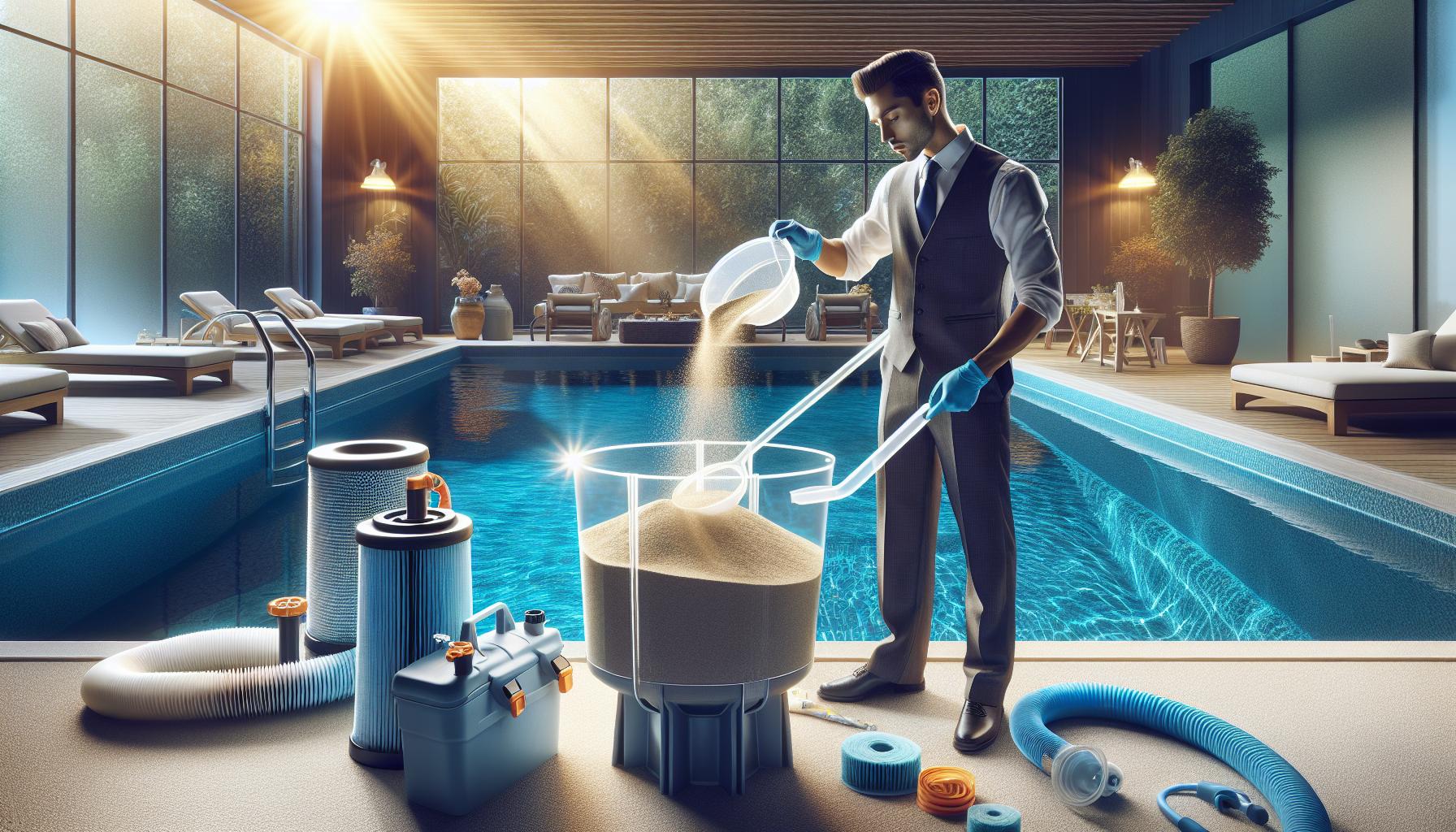
Understanding Pool Filter Capacity and Sand Recommendations
Understanding how pool filter capacity correlates with sand recommendations is crucial for maintaining optimal filtration and ensuring crystal-clear pool water. Finding the right amount of sand is not just about filling the filter; it directly impacts the efficiency of your pool’s filtration system. A well-calibrated sand volume enhances water flow, captures debris effectively, and prolongs the lifespan of your filter.
To properly determine the sand volume for your pool filter, always refer to the manufacturer’s specifications, typically provided in the user manual. This guide usually specifies the size and type of sand necessary, usually #20 silica sand, which features a grain size of 0.45 to 0.55 mm. Using this type of sand facilitates better filtering of particulates because its uniformity helps maintain the necessary water flow while adequately capturing dirt and debris. Aim for a balance; too little sand can cause unfiltered water to return to the pool, while too much can impede water flow and create pressure issues, ultimately harming your system’s performance.
You can enhance your understanding of filter capacity by contemplating your pool’s water volume and usage frequency. A pool that sees heavy use-like a bustling family pool-may require more frequent sand changes compared to a rarely used one. Therefore, planning a seasonal maintenance schedule that includes checking and possibly replacing sand ensures your filter remains efficient.
Lastly, keep in mind that regular backwashing and cleaning help maintain the sand’s integrity and performance. Periodic inspections will allow you to measure sand depth and adjust as needed. Proper care not only extends the life of your filter but also significantly improves water quality. Creating a proactive approach based on these guidelines will empower you to manage your pool maintenance effectively, leading to a more enjoyable swimming experience for your family and guests.
Maintenance Tips for Optimal Sand Filter Performance
Maintaining a sand filter is essential for ensuring your pool water remains clean and clear. Regular care not only optimizes filtration performance but also prolongs the life of the filter system, saving you time and money in the long run. One foundational element in this maintenance routine is knowing when and how to backwash your filter. Backwashing should be conducted when the pressure gauge indicates an increase of 8-10 PSI over the normal operating range. This simple step helps remove dirt and debris that have accumulated in the sand, restoring effective filtration.
Another crucial aspect is ensuring you monitor the sand level throughout the season. Over time, sand can be displaced or worn down, affecting the filter’s efficiency. It’s advisable to check the sand level at least once a month. If the sand appears low, you can add fresh sand to maintain optimal levels. Remember, the type of sand matters, too; using the recommended #20 silica sand not only helps with filtration but also enhances sand longevity.
Implementing a regular maintenance schedule is also beneficial. Schedule deep cleaning and sand replacement based on your pool’s use and local conditions. For instance, if your pool sees heavy use, consider replacing the sand annually, especially at the start of the swimming season. Moreover, during the off-season, protect your filter from harsh weather by covering it or storing it in a sheltered area.
Finally, always keep an eye out for signs of trouble, such as cloudy water or increased debris accumulation. If you notice these issues, investigate immediately, as they could indicate that your sand filter needs more than routine maintenance. By combining these best practices, you can ensure your sand filter operates at peak performance, making your pool a welcoming oasis for all who enjoy it.
How to Troubleshoot Sand Filter Issues Effectively
When it comes to ensuring your pool’s sand filter operates effectively, recognizing and addressing common issues is crucial. A well-maintained filter not only keeps your water crystal clear but can also save you on both time and expenses in repairs. One of the first signs that something is off might be cloudy water, increased debris accumulation, or inconsistent pressure readings. If you notice these issues, a systematic approach can help you troubleshoot them efficiently.
Start by checking your filter’s pressure gauge. If the reading exceeds the normal operating range by 8-10 PSI, it’s time to backwash the filter. This process removes trapped dirt and debris and can restore flow immediately. Pay attention to the backwashing procedure; ensure you allow enough time for complete flushing, usually around 2-3 minutes. Additionally, inspect the sand itself; it should not be clumped or show signs of degradation. If the sand appears compacted, consider doing a complete sand replacement, especially if it hasn’t been changed in several years.
Another key aspect to evaluate is the valve settings on your filter. Incorrect settings can lead to insufficient filtration. Ensure that your filter is set to the proper function-either filtering, backwashing, or rinsing-according to the task you need. Misalignment, even for a short period, can significantly impact water clarity.
Lastly, if you encounter persistent issues, it may be worthwhile to look into the quality and type of sand you’re using. Not all sand is created equal; using the right-grade filter sand, typically #20 silica sand, is vital for optimal filtration performance. If you’ve done all this and the problems persist, reach out to a professional for advice tailored to your specific setup; sometimes, filters might require more technical repairs or replacements. By taking these proactive steps, you can maintain a healthy swimming environment and address sand filter issues with confidence.
The Benefits of Regularly Changing Sand in Your Filter
Regularly changing the sand in your pool filter can significantly enhance its efficiency and lifespan, making it a crucial aspect of pool maintenance often overlooked by many owners. Sand filters work by trapping dirt, debris, and other contaminants, but over time, the sand becomes less effective as it clumps together and loses its ability to capture small particles. This can lead to cloudy water and a less enjoyable swimming experience. By committing to routine sand changes, you ensure that your filter operates at peak performance, delivering clean and clear water for you and your family.
When you replace the sand, you not only improve filtration but also extend the life of your filter system. Old sand can degrade and break down, resulting in the release of fine particles back into the pool. This can result in increased wear and tear on your filter, leading to costly repairs or replacements. A fresh batch of high-quality sand, such as #20 silica sand, reinstates the filter’s filtering capability and minimizes the risk of wear on the equipment. Here are some benefits of regularly changing the sand:
- Improved Water Clarity: Fresh sand can effectively trap and filter minimal-sized debris, keeping your pool consistently sparkling clean.
- Reduced Chemical Use: With better filtration, you may find that you need fewer chemicals to maintain the right balance, saving you money over time.
- Enhanced Flow Rate: Clean sand allows for better water flow through the filter, decreasing strain on the system and improving overall efficiency.
- Lower Energy Costs: A well-maintained filter operates more efficiently, which can lead to savings on energy costs related to running your pool pump.
To keep up with sand replacement, aim to check and replace your filter sand every 3 to 5 years, depending on your pool usage and environmental factors. Adding this practice to your maintenance routine can help you enjoy a cleaner, healthier pool while minimizing long-term costs associated with system repairs or excessive chemical use. Remember, clear water not only looks inviting but also reflects well on your maintenance efforts, contributing to a better swimming experience for everyone.
Choosing the Best Sand Quality for Your Pool Filter
Choosing the right sand quality for your pool filter is crucial in ensuring that your filtration system operates efficiently. The effectiveness of a sand filter hinges not just on the amount of sand but significantly on the type of sand used. Typically, pool owners should opt for #20 silica sand, which has the ideal grain size of 0.45 to 0.55 mm. This specific type of sand is processed to meet the demands of pool filtration, trapping small particles while allowing proper water flow.
When selecting pool sand, ensure it is labeled as filter sand. Generic construction sand can be too coarse or too fine, leading to improper filtration. Using sand that is too fine may contribute to sand blowback, where sand particles escape from the filter and return to the pool, clouding the water. Conversely, sand that is too coarse won’t effectively capture debris, leading to dirty and uninviting water. Always check product specifications or consult with your local pool supply store if you’re uncertain about a brand’s suitability.
Because quality matters, it is advisable to avoid brands that do not specialize in pool filtration systems. For instance, while some may consider using Quikrete pool sand, mixed reviews suggest that it might be less effective compared to professional-grade filter sand that specifically meets industry standards [1[1; When to Replace Sand in Your Pool Filter Replacing the sand in your pool filter is an essential aspect of maintaining crystal-clear water and prolonging the life of your filtration system. Over time, sand can become compacted, coated with oils, and less effective at capturing impurities. Regularly scheduled checks can help you determine the right time to make the switch. Generally, it is recommended to replace the sand at least every 3-5 years, but several factors can influence this timeframe. For instance, if you notice a persistent cloudy appearance in your pool despite regular chemical treatments, this could indicate that your sand is no longer functioning efficiently. Similarly, if your filter is requiring frequent backwashing and still fails to maintain clear water, it’s time for a sand replacement. Check for signs such as excessive pressure build-up in the filter gauge or reduced water flow; both can be indicators of sand deterioration. To make the process easier, follow these steps for inspecting and replacing your filter sand: When you decide to replace the sand, ensure that you are using #20 silica sand specifically labeled for pool filtration. This ensures you have the right size and quality to maintain optimal filtration efficiency. Regularly replacing the sand not only improves water quality but also prevents strain on your pump and filter system, ultimately saving you on maintenance costs and headaches down the line. is critical for any pool owner looking to keep their swimming experience enjoyable and trouble-free. While the initial expense of pool filter sand may seem modest, with prices typically ranging from $10 to $15 for a 50-pound bag, the long-term implications of sand quality and maintenance practices can significantly affect your overall pool care budget. Investing in high-quality, properly graded silica sand, such as #20 pool filter sand, not only ensures better filtration but also minimizes the need for frequent replacements or repairs to your filter system. Regular maintenance of your pool filter is crucial in preventing costly problems down the line. A neglected filter can lead to complications such as clogged lines, increased energy consumption, and decreased pool efficiency, which can all financially impact your pool upkeep. For instance, signs of inefficiency-like higher pressure readings on your filter gauge or cloudy water-might necessitate premature sand replacement or repairs, driving up costs. Proactive measures, such as regular visual inspections and timely filter backwashing, can help you avoid these additional expenses while ensuring your pool remains inviting and clear. To maximize the value of your filter system and sand investment, it’s essential to follow best practices for sand maintenance and replacement. Here are a few helpful strategies: By understanding and managing the costs associated with sand and filter maintenance, pool owners can create a more economical and efficient pool care routine. Additionally, staying informed about the best practices in maintaining sand filters can ultimately translate into a more enjoyable swimming experience, with crystal-clear water and minimal interruptions from maintenance issues. Creating and maintaining pristine pool water involves a strategic approach, especially when using sand filters. The sand type and quality directly influence filtration efficiency, clarity, and overall pool maintenance. To enhance pool water quality, it’s essential to utilize high-quality, properly graded silica sand, such as #20 pool filter sand, which is designed to provide optimal filtration. Avoid using play sand or other non-pool-grade sands, as these can lead to sand fines entering the pool, resulting in cloudy water and inadequate filtration. To effectively maintain your sand filter and optimize water quality, consider these expert tips: In addition to these practices, it’s beneficial to routinely inspect your multiport valve and other components for signs of wear. A malfunctioning valve can lead to inefficient filtration, causing sand to return to the pool. Always ensure you’re using the correct sand type to maximize filtration capabilities and prevent unwanted backflow. By implementing these expert strategies and being proactive in your maintenance routine, you can sustain an inviting and crystal-clear pool all season long. Q: How do I determine the correct amount of sand for my pool filter? Q: What is the best type of sand to use for a pool filter? Q: When should I replace the sand in my pool filter? Q: Can using too much sand in my pool filter cause problems? Q: How can I properly maintain my pool sand filter? Q: What should I do if my pool filter sand is blowing into the pool? Q: How does sand size affect pool filter performance? Q: Is it necessary to rinse sand before adding it to the filter? Now that you know how to accurately measure the amount of sand needed for your pool filter, it’s time to put that knowledge into action! Ensuring your pool filter has the right amount of sand is crucial for maintaining crystal clear water and optimal performance. If you have lingering questions or need further guidance, don’t hesitate to check out our related articles on pool maintenance tips and troubleshooting common pool filter issues. Ready to dive deeper? Explore our resource center for more expert insights and helpful guides tailored to pool owners like you. Remember, keeping your pool in top shape not only enhances your swimming experience but also extends the life of your equipment. If you’re excited about more easy-to-follow tips, consider signing up for our newsletter to stay updated on the latest in pool care! Feel free to share your thoughts or experiences in the comments below-your feedback can help other pool enthusiasts! Together, we can make pool maintenance simpler and more enjoyable for everyone.Understanding the Cost of Sand and Filter Maintenance
Expert Tips for Improving Pool Water Quality with Sand Filters
Faq
A: To determine the correct amount of sand for your pool filter, consult the manufacturer’s guidelines. Sand quantity typically ranges between 100-400 pounds, depending on filter size. Measure your filter’s capacity in gallons and refer to the user manual for specific recommendations.
A: Use #20 silica sand, sized 0.45 – 0.55 mm, as it ensures optimal filtration without clumping. Avoid using play sand or any sand with insignificant grain size, as they may pass through the filter and into the pool. Refer to your filter specifications for exact recommendations.
A: Replace the sand in your pool filter every 3-5 years, or sooner if you notice a drop in filtration efficiency or increased backwashing needs. Inspect sand for clumping or excessive wear. Regular replacement helps maintain water clarity and filter performance.
A: Yes, overfilling the pool filter can cause sand to escape through the laterals and into your pool, resulting in cloudy water. Always follow the manufacturer’s specifications for filling your filter to avoid operational issues and ensure efficient filtration.
A: Regularly backwash your sand filter every 4-6 weeks or when the pressure gauge indicates a rise of 8-10 PSI over the normal operating pressure. Additionally, inspect for leaks and clean the sand periodically to enhance filtration efficiency.
A: If sand is blowing into your pool, check for clogged laterals or incorrect sand size. Ensure you’re using the correct type of sand and that your filter isn’t overfilled. If issues persist, consider replacing the sand and inspecting for damage in the filter system.
A: Sand size directly influences filtration efficiency; finer sand catches smaller particles but can also clog quicker. Coarser sand provides better flow but may miss smaller debris. Opt for #20 silica sand for a balance of performance and longevity, ensuring effective filtration.
A: While rinsing new sand is not strictly necessary, doing so can remove dust and debris, ensuring clearer pool water post-installation. Rinse through a garden hose until the water runs clear before adding it to your filter to minimize initial cloudiness.In Summary


