


Winterizing your pool is essential to protect your investment and ensure a hassle-free opening when warmer weather returns. Did you know that improper winterization can lead to costly repairs and algae growth? As outdoor temperatures drop, preparing your pool becomes crucial to prevent freezing and damage.
Many pool owners dread this seasonal task, but with the right guidance, winterizing can be straightforward and even satisfying. By taking proactive steps now, you can save time and money down the line while ensuring your pool remains in great condition. In this article, we’ll break down the winterization process step by step, equipping you with practical solutions to tackle this important maintenance task. Get ready to learn how to keep your pool safe and sound all winter long!
How to Prepare Your Pool for Winter

As the temperatures begin to drop and the leaves change color, it’s time to start preparing your pool for winter. Proper winterization not only protects your investment but also saves you time and money when reopening in the spring. Taking the right steps now will ensure your pool remains in excellent condition throughout the colder months, avoiding costly repairs caused by ice damage or contamination.
To begin with, clean your pool thoroughly. This means skimming off any leaves and debris, scrubbing the walls and floor to prevent algae buildup, and vacuuming all corners. After cleaning, it’s essential to balance your pool water chemistry. Test the pH levels, alkalinity, and calcium hardness, ensuring that they fall within the recommended ranges. High levels of algae can thrive in unbalanced water, leading to significant issues once the pool is covered and left unattended. Adjust the levels accordingly, and consider adding a dose of winterizing chemicals to assist in maintaining clarity and sanitation until spring arrives.
After you’ve cleaned and treated the water, it’s time to check your pool equipment. Remove and clean filters, and make sure to drain all water from pumps and heaters to prevent freezing and cracking. If you have a skimmer, remove it and store it properly. Finally, invest in a quality pool cover that fits tightly and will withstand winter weather-this is critical in keeping debris out and reducing the amount of maintenance needed throughout the season. Following these preparations will help you close your pool smoothly, setting the stage for a quick and easy reopening come spring.
Essential Equipment for Pool Winterization
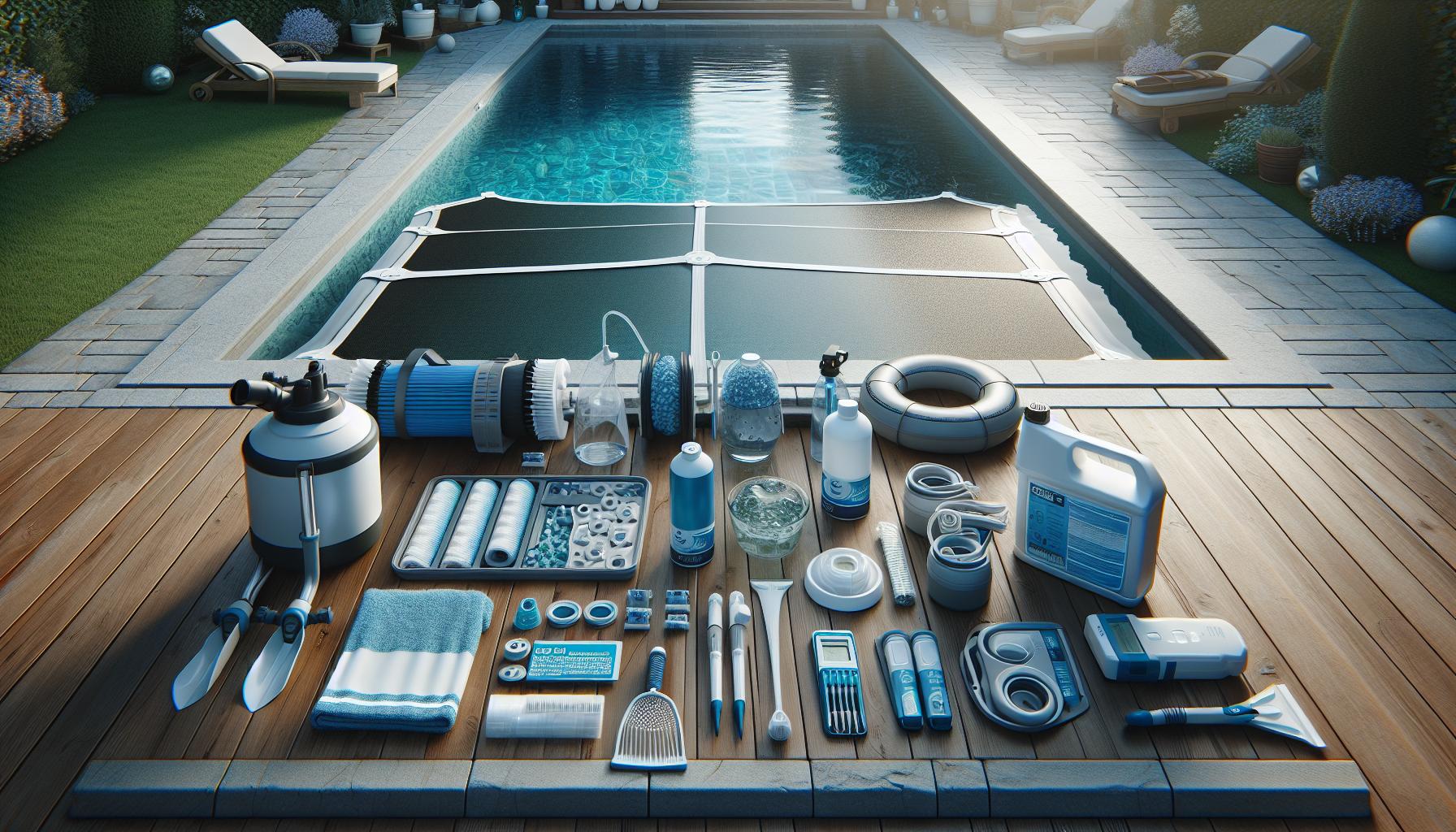
Preparing for winter doesn’t just mean wrapping up in a warm blanket; it also involves ensuring your pool is ready to withstand the cold months ahead. Equipping yourself with the right tools and materials is pivotal in protecting your investment and maintaining the longevity of your pool. Whether it’s an above-ground or in-ground pool, having the essential equipment on hand will make the winterization process smoother and more effective.
To start, make sure you have a reliable pool cover. A good winter cover will safeguard your pool from falling debris and snow, while also preventing accidental entry. Choose a cover that fits snugly and is rated for your climate conditions. Alongside the cover, investing in air pillows can be beneficial as they help create a gap between the water and the cover, reducing the risk of ice damage for above-ground pools.
Additionally, you’ll need tools to manage water levels and clear debris. Supplies like pools skimmers and leaf nets are essential for pre-winter cleaning. To prevent damage to your pool equipment, a wet-dry vacuum is invaluable. It’s designed to clear out water from lines and equipment, thus minimizing the chances of freezing and cracking. Complementing this, ensure you have winterizing chemicals, such as algaecide and chlorine, to maintain water quality over the cold months.
Lastly, a winterizing plug or gizmo for your skimmer is crucial. This helps prevent ice from forming in your pool lines, safeguarding your plumbing system. With these essential items prepared, you’ll be well-equipped to winterize your pool effectively, ensuring it is ready to face whatever winter throws at it.
Step-by-Step Guide to Winterizing Your Pool
Properly preparing your pool for winter is essential to avoid costly damages and ensure its longevity. With temperatures dropping, it’s crucial to adopt a systematic approach to winterization that safeguards your investment. By following a comprehensive step-by-step guide, you can efficiently winterize your pool, minimizing the risk of ice damage and other winter-related issues.
Step 1: Clean the Pool Thoroughly
Start with a meticulous cleaning of your pool to prevent debris from decomposing over the winter months. Use a skimmer net to remove leaves and other floating debris, then brush the pool walls and floor to eliminate algae and dirt buildup. After brushing, vacuum the pool to get rid of any remaining particles. A clean pool not only looks better but also reduces the likelihood of staining and algae growth while it sits unused.
Step 2: Balance the Water Chemistry
Before winterizing, it’s crucial to balance the pool water chemistry. Test the water’s pH, alkalinity, and chlorine levels, ensuring they are within the recommended ranges. The ideal pH should be between 7.2 and 7.6, alkalinity should be between 80-120 ppm, and the chlorine level should be around 3 ppm. Properly balanced water helps prevent corrosion or scaling in your pool equipment and minimizes problems upon reopening.
Step 3: Lower the Water Level
Next, lower the water level in your pool. For in-ground pools, you should typically drain the water below the skimmer level to prevent freezing within the pipes. If you have an above-ground pool, you can lower the water level to just below the skimmer. Be cautious to adhere to local regulations and conditions regarding water drainage.
Step 4: Drain and Winterize Equipment
Drain all pool equipment, including filters, pumps, and heaters, to prevent freezing. Use a wet-dry vacuum to remove water from the pump and lines, ensuring that no water remains that could expand and cause cracking. Add winterizing plugs to your skimmer and return lines to further reduce the risk of ice formation.
Step 5: Add Winterizing Chemicals
Once the pool is clean and the water level adjusted, it’s time to add winterizing chemicals. Use a mix of algaecide, chlorine, and a winterizing kit designed for your pool size. This helps to maintain water quality and prevents algae growth throughout the winter months.
Step 6: Cover the Pool
Finally, cover your pool with a solid or mesh winter pool cover. Ensure the cover fits securely to keep out leaves, debris, and snow. If you have an above-ground pool, consider placing air pillows under the cover to help mitigate ice damage by allowing for expansion and contraction as temperatures fluctuate.
By adhering to these steps, you’ll not only protect your pool from winter damage but also simplify the process of reopening it in the spring, ensuring it’s ready for use as soon as temperatures warm up. Regular checks during winter months can also help in maintaining the integrity of your pool and cover, providing peace of mind until you’re ready to dive back in.
How to Balance Pool Water Chemistry Before Winter
Balancing your pool water chemistry before winter is a crucial step in preparing for the colder months, ensuring that your pool remains in great shape and avoiding potential damage. A well-balanced pool not only protects the surfaces and equipment but also prevents water quality issues that could arise when the pool is closed for the season. Regular testing ensures you’re addressing any imbalances, which can save money and time in the long run.
To achieve the optimal balance, begin by testing the water for pH, alkalinity, and sanitizer levels. The ideal pH range is between 7.2 and 7.6. If the pH is too low, add a product like sodium bicarbonate to raise it; if it’s too high, use muriatic acid to lower it. Next, check your total alkalinity, which should be between 80 and 120 ppm. This level is important as it helps stabilize your pH levels. If adjustments are needed, add sodium bicarbonate (to raise) or muriatic acid (to lower) as necessary.
The sanitizer level, typically chlorine, is another critical factor, ideally around 3 ppm for pools. If your levels are deficient, shock your pool with a chlorine shock treatment to kill any bacteria and ensure cleanliness. It’s essential to follow up by circulating the water for a few hours to allow the chemicals to mix thoroughly.
Lastly, add winterizing chemicals tailored for your pool’s needs. An algaecide is crucial during winterization to prevent algae growth while the pool is unused. By carefully managing these chemical levels, you ensure that your pool is safeguarded against potential issues, letting your investment last much longer and making reopening in the spring a seamless process.
Protecting Your Pool Cover: Tips and Tricks
Ensuring the longevity and effectiveness of your pool cover is crucial during the winter months when your pool is not in use. A well-protected pool cover not only keeps debris out but also helps prevent damage from harsh weather conditions. With a few proactive measures, you can significantly extend the life of your cover while safeguarding your pool’s condition.
First and foremost, always choose a high-quality cover that is appropriate for your pool type, whether it is above-ground or in-ground. Ensure it fits snugly, as a loose cover can be prone to sagging and may allow debris and water to accumulate on top. To further fortify your cover, consider using cover weights or water bags to hold it down firmly, especially in windy conditions.
Maintenance Tips During Winter
Regular maintenance during the winter months is key to the cover’s integrity. Check the cover periodically for any signs of wear or tears, and address issues immediately to prevent larger problems. If you notice debris accumulating on the cover, especially snow or ice, carefully remove it using a soft broom or a plow specifically designed for pool covers. Avoid using sharp objects that could puncture or tear the material.
If your cover allows water to accumulate on its surface, make use of a pool cover pump to remove this excess water. This not only prevents algae growth but also reduces the weight on the cover that could lead to tearing. Keeping the cover clean and clear will also make the reopening process smoother come springtime.
Preparing for Seasonal Changes
As winter progresses and the weather changes, be proactive about adjusting and inspecting your cover. It’s crucial to monitor how well your cover is performing against various factors such as heavy snowfall or rain. Should the forecast predict significant weather changes, it might be wise to reinforce your cover’s edges and consider additional support methods to minimize the risk of damage.
By implementing these protective measures, you can ensure that your pool cover remains in excellent condition, preserving your pool’s cleanliness and integrity through the winter months. Taking the time to protect your investment now will pay off when it comes time to enjoy your pool again in the spring.
Common Mistakes in Pool Winterization
Many pool owners overlook critical steps in the winterization process, jeopardizing their investment and leading to costly repairs when spring arrives. Avoiding these common pitfalls can make the difference between a smooth reopening in the warmer months and a major headache. Here are the most prevalent mistakes to watch for when preparing your pool for winter.
One of the biggest missteps is neglecting to balance the pool water chemistry before winterization. Failing to properly adjust pH, alkalinity, and chlorine levels can result in corrosion of pool surfaces and equipment, leading to significant damage and the growth of algae. It’s essential to test and balance the water chemistry adequately – aim for a pH between 7.2 and 7.8, alkalinity between 80 and 120 ppm, and a chlorine level of 1-3 ppm before adding winterizing chemicals.
Another frequently made error is not removing all accessories and equipment from the pool. Items such as ladders, skimmer baskets, and pool cleaners should be taken out and cleaned thoroughly before storing them. Leaving accessories in the pool can lead to unexpected damage during freeze-thaw cycles. Additionally, remember to winterize the pool plumbing thoroughly by draining all water from pipes and equipment to avoid freezing, which can cause cracking and leaks.
Inadequate cover installation is another common issue. A properly fitted cover is crucial for protecting the pool from debris and harsh weather. Many owners underestimate the importance of securing the cover tightly around the edges. Use cover weights or water bags to hold it in place, ensuring it remains intact through strong winds and heavy snowfall. A cover that is too loose can lead to the accumulation of water and leaves, which can increase the risk of damage and create a breeding ground for algae.
Lastly, ignoring the need for regular maintenance during the winter is a costly mistake. Many assume that winterized pools require no attention until spring, but regular checks are needed to ensure the cover remains in good condition. Inspect for tears, remove any debris, and pump off excess water to prevent algae growth and strain on the cover. By being vigilant and proactive, you can save yourself the headache of learning about these costly missteps the hard way when it comes time to reopen your pool.
Signs Your Pool Needs Professional Winterization Help
Recognizing the signs that your pool needs professional winterization help can save you from costly repairs and extensive damage when spring arrives. Even the most meticulous pool owners sometimes find that winterizing requires expertise beyond their capabilities, particularly when unusual situations arise. If you notice any of the following issues, it’s wise to consult a professional to ensure your pool is properly prepared for the colder months.
One of the most evident indicators is the presence of persistent algae or sediment that you can’t seem to eliminate. If despite your best efforts-such as vacuuming, brushing, and adjusting chemicals-your pool is still looking green or murky, it might signal underlying issues that require specialized treatment, such as a chemical imbalance that could jeopardize your entire system. A professional can provide the necessary deep clean and chemical treatments to restore balance.
Additionally, if you’re uncertain about how to thoroughly drain and winterize your plumbing system, it may be time to call in an expert. Properly preparing pipes and pumps for cold temperatures is essential, as any remaining water can freeze and lead to cracking or leaks. Professionals have the tools and knowledge to ensure all components are correctly treated and winterized, preventing any nasty surprises come spring.
Unusual Weather Conditions
If your area has experienced unusual weather patterns, such as extreme storms or unseasonable warm spells, consider reaching out for professional advice. Such events can introduce debris, blockages, or potential damages that aren’t immediately visible. A professional inspection can help identify and address any hidden risks, ensuring your pool is secure for the winter months ahead.
Lastly, if you’re feeling overwhelmed by the winterization process or simply don’t have the time to prepare your pool adequately, seeking professional assistance can be the best option. A well-trained technician can efficiently handle everything from cleaning and balancing chemicals to securely covering the pool, allowing you peace of mind while protecting your investment. Ensuring proper winterization is key to having a hassle-free pool opening as the weather warms up again.
Winter Pool Maintenance Checklist for Owners
As winter approaches, maintaining your pool can feel daunting, but with a well-structured maintenance checklist, you can streamline the process and protect your investment effectively. Keeping your pool in top shape throughout the winter months is essential for avoiding costly repairs and ensuring that it’s ready for enjoyment when warmer weather returns.
- Clean the Pool Thoroughly: Begin by skimming off leaves, dirt, and debris. This will prevent algae buildup during the winter. After skimming, brush the walls and floor to remove any stubborn grime.
- Vacuum the Pool: Using a manual or automatic pool vacuum, remove any remaining dirt or debris from the bottom. This step is crucial for maintaining water clarity and overall cleanliness.
- Drain Water to the Proper Level: Lower the water level according to your specific pool type-typically below the skimmer for in-ground pools, while for above-ground pools, you can either drain it below the return lines or leave it at a normal level depending on the pool style.
- Backwash and Clean Filters: If your pool has a sand or DE filter, backwash it to ensure that any contaminants are removed. Cartridges should also be cleaned thoroughly to maintain efficiency.
- Balance Water Chemistry: Test the water chemistry (pH, alkalinity, and chlorine levels) and adjust accordingly. Aim for a pH of 7.2-7.6 and alkalinity between 80-120 ppm to ensure water protection and prevent corrosion.
- Add Winter Chemicals: Use winterizing chemicals such as algaecide and chlorine to prevent algae growth during the colder months. Follow the product instructions for dosage and application.
- Protect Plumbing Lines: Blow out the water from pool lines to prevent freezing. Add antifreeze to the plumbing lines and skimmer baskets, especially in colder regions.
- Secure the Pool Cover: If you are using a cover, ensure that it is tightly fitted and secured to avoid the accumulation of debris and water. A well-fitted cover protects the pool from adverse weather and reduces maintenance in the spring.
- Regular Checks During Winter: Periodically check the pool cover for debris accumulation or water pooling on top. Clear off any snow or ice buildup to prevent damage to the cover.
- Document Maintenance: Keep a detailed log of the winterization steps taken, including dates and products used. This documentation can help with troubleshooting in the spring.
Implementing this checklist not only provides peace of mind but also ensures that your pool is well-protected against winter’s harsh effects. By handling the winter maintenance proactively, you will save time and money when spring arrives, making your pool opening process smoother and more enjoyable.
Choosing the Right Pool Cover for Winter
Choosing the right pool cover for the winter is essential for safeguarding your investment and ensuring that your pool is ready for a smooth reopening in the spring. With various options available, understanding the unique benefits and functionalities of each type helps you make an informed choice.
The primary types of winter pool covers include solid covers, mesh covers, and inflatable covers. Solid covers are excellent for keeping out debris and preventing sunlight from entering the water, which inhibits algae growth. However, they require regular maintenance to ensure that water does not pool on top. Conversely, mesh covers allow rainwater to filter through but might permit some debris entry. They are lightweight and easier to handle, making them a popular choice for many pool owners. Inflatable covers offer a different approach, providing floatation to keep debris from settling into the water. Still, these may not be as durable as solid or mesh options.
When selecting a cover, consider the shape and size of your pool, as well as your geographical region. A good fit is crucial to minimize water accumulation or debris issues. Look for covers that come with safety features such as locking mechanisms or weights to prevent them from blowing off in high winds. Safety should always be a top priority, especially if children or pets are around.
Before installing any cover, check for compatibility with your pool’s features, such as ladders, rails, or other fixtures. Many covers can be customized or are available in specific shapes (oval, rectangular) to suit your needs. To enhance usability, choose a cover designed for easy installation and removal. It’s wise to invest in a high-quality cover that conforms to ASTM safety standards, ensuring that it not only protects your pool but also adds a layer of safety.
Once you’ve selected the ideal cover, the installation process is straightforward but should be done meticulously. Ensure the cover is drawn tightly to prevent water from pooling and allow for proper drainage. As winter weather approaches, make it a habit to check your cover periodically for snow, ice, or debris accumulation to maintain its structural integrity.
By choosing the appropriate cover and following these guidelines, you can effectively protect your pool investment throughout the winter months, ensuring a fresher and cleaner pool come springtime.
Winterizing Above Ground vs. In-Ground Pools
When winter arrives, pool owners must face the critical task of preparing their pools for the cold months ahead. While both above-ground and in-ground pools require careful attention, the processes involved in winterizing them differ significantly, largely due to their structural variations and exposure to environmental factors.
For above-ground pools, the most crucial step is to ensure that the pool does not freeze solid, as this could cause significant damage to both the liner and the structure. An effective method is to lower the water level below the skimmer, which prevents water from freezing into the skimmer and plumbing. In addition to this, adding chemicals to the water, covering the pool with a tight-fitting winter cover, and storing any accessories (like ladders and skimmers) safely away are essential tasks. Some owners may also choose to use air pillows under the cover to catch and redistribute any snow or ice that accumulates, thus preventing damage to the cover itself.
In contrast, in-ground pools require more intricate preparation due to their built-in features and plumbing systems. After thoroughly cleaning the pool, the water should also be balanced chemically before being lowered to the appropriate level. Typically, the water level should be about 4-6 inches below the skimmer. This is crucial in preventing ice formation within the skimmer and pipes. Another essential step is to properly winterize the pool’s plumbing by blowing out the lines and adding antifreeze to the pipes to prevent them from cracking. Finally, a durable winter cover should be securely placed over the pool to protect it from debris and sunlight, which can foster algae growth.
By recognizing the specific requirements for each type of pool, owners can take proactive measures to protect their investments effectively. Whether you have an above-ground or in-ground pool, following these tailored steps will help ensure that your pool remains in optimal condition throughout the winter and is ready for a smooth reopening come springtime.
Alternative Winterization Methods You Should Know
While traditional winterization methods are effective, exploring alternative approaches can provide additional protection and simplify the winterization process. One innovative solution is using a pool winterization kit, which typically includes specific chemicals designed to enhance the pool’s resilience against freezing conditions. These kits can be more user-friendly, especially for those who may be less familiar with balancing chemicals manually. The convenience of pre-measured and combined products means you can ensure proper balance and clarity even before covering your pool.
Another alternative involves utilizing liquid winterization solutions that not only lower the freezing point of the water but also help in preventing the growth of bacteria and algae by maintaining a cleaner pool environment. These solutions are often easier to apply, as they can be poured directly into the pool rather than requiring the extensive handling of multiple chemicals and analyzing water levels. This method is particularly beneficial for busy individuals who may not have the time for a thorough winterization routine.
For in-ground pools, employing a drain-and-refill strategy instead of lowering the water level can be effective. By completely draining the pool and replacing the water with fresh, treated water, homeowners can reduce the chances of contaminants and algae growth over winter. However, it’s crucial to ensure that the pool’s plumbing and equipment are winterized separately during this process to avoid any damage.
Additionally, consider automating your winterization with solar heaters or blankets that cover pools during their downtime. These covers can provide insulation, keeping the water temperature slightly elevated to prevent freezing, while also minimizing debris and ice exposure. This method can significantly reduce the time required for spring cleaning, allowing for a smoother transition back to pool season.
By leveraging these alternative winterization methods, pool owners can gain peace of mind knowing their investments are protected against winter’s challenges. Each option incorporates a level of convenience and efficacy, catering to various lifestyle needs while ensuring that your pool remains in excellent condition when it’s time to reopen in the spring.
How to Reopen Your Pool in Spring
Reopening your pool in spring can be an exciting yet meticulous task, ensuring your investment is ready for fun in the sun. As the temperatures rise, it’s essential to approach this process systematically to avoid any potential headaches later. Starting with a clean slate, the first step is to remove the pool cover carefully. If you’ve used a solid cover, make sure to clean off any debris that may have accumulated on top before folding it away. Afterward, it’s a great idea to give your cover a thorough cleaning and allow it to dry completely before storing it for next winter.
Next, inspect your pool for any signs of damage. This includes checking the pool walls, liners, and equipment like pumps and filters. Watch for cracks or wear that may have occurred during the colder months. Once this inspection is complete, it’s time to fill your pool back up if the water level has lowered and then start up your equipment. Before turning on the pump and filter, remember to reconnect all plumbing lines and other equipment that were disconnected for winter.
Balancing Water Chemistry
After everything is reconnected, the next crucial step involves balancing your pool’s water chemistry. Start by testing the water using a pool testing kit to check pH levels, alkalinity, and chlorine. Ideally, the pH should be between 7.2 and 7.8, while alkalinity levels should range from 80 to 120 ppm. Adjust these levels using the appropriate pool chemicals as necessary.
Maintaining proper water chemistry from the outset will help prevent algae blooms and keep the water clear and safe for swimming. Additionally, shocking the pool with a chlorine shock treatment can help eliminate any lingering contaminants from the winter months. Follow this by circulating the water for around 24 hours to ensure uniform distribution of chemicals.
Cleaning and Final Touches
With the chemistry settled, it’s time to clean your pool. Use a skimmer net to remove any leaves or debris that have settled in the water. Vacuum the pool floor and scrub the walls to eliminate algae or mildew that may have formed. Pay special attention to the tile and coping areas where dirt tends to accumulate.
Lastly, inspect and spark up all safety equipment, such as ladders and pool alarms, ensuring everything is in good working order for safe swimming. Once the pool is clean, chemically balanced, and all equipment is functioning properly, you can consider your pool officially open! Taking these thorough steps will ensure you enjoy a well-maintained pool throughout the summer season, shielding your investment against any future challenges.
Q&A
Q: What materials do I need to winterize my pool?
A: To winterize your pool effectively, gather essential materials such as a winter cover, pool chemicals, a submersible pump, an air compressor for blowing out lines, and skimmer plugs. These items will help protect your investment throughout the colder months.
Q: How long does it take to winterize a pool?
A: Winterizing a pool typically takes between 2 to 4 hours, depending on the pool size and the number of tasks involved. Proper planning and having all materials ready can streamline the process, ensuring efficient winter preparation.
Q: When is the best time to winterize my pool?
A: The best time to winterize your pool is when the water temperature consistently drops below 65°F (18°C). This usually occurs in late fall. Ensuring the pool is winterized at this time helps prevent algae growth and protects your equipment.
Q: What happens if I don’t winterize my pool?
A: Failing to winterize your pool can lead to serious damage, including freeze damage to plumbing and equipment, algae growth, and an increase in maintenance costs when reopening the pool in spring. Protecting your pool is crucial for its longevity.
Q: Can I winterize my pool myself?
A: Yes, you can winterize your pool yourself with the right equipment and knowledge. Follow a step-by-step guide to ensure you manage tasks such as balancing chemicals, covering the pool, and draining water from the lines properly.
Q: What chemical adjustments should I make before winterizing my pool?
A: Before winterizing, ensure the water is balanced by adjusting pH (7.2 – 7.8), alkalinity (80-120 ppm), and calcium hardness (200-400 ppm). Adding winterizing chemicals, like algaecide and chlorine, helps maintain water quality throughout the winter months.
Q: How do I know if my pool cover fits correctly?
A: A properly fitting pool cover should have enough overlap to anchor securely around the perimeter. It should not sag excessively or allow water accumulation. Regularly check the cover during winter to ensure it remains tight and intact.
Q: Are there any alternatives to traditional pool winterization methods?
A: Yes, you can consider alternatives like using a “pool pillow” to absorb expansion from ice or applying a winterizing liquid that helps keep the water from freezing. Explore these options if you want to avoid the hassle of traditional methods.
For more detailed instructions on winterizing your pool, consult our detailed sections on winter preparation and equipment. Protect your pool investment year-round!
To Wrap It Up
Winterizing your pool is essential to safeguard your investment and ensure a smooth transition into warmer months. By following the outlined steps, you can effectively protect your pool from winter’s harsh effects, reduce repair costs, and maintain its pristine condition for years to come. If you’re looking for more insights on pool maintenance or tips for spring preparation, be sure to check out our articles on “Essential Pool Maintenance Tips” and “How to Prepare Your Pool for Summer.”
Don’t let another winter pass without ensuring your pool is properly winterized. Start today by taking these actionable steps, and if you have specific concerns or need professional assistance, consider reaching out for a consultation or signing up for our newsletter for ongoing insights and exclusive offers. Your pool deserves the best care; let us help you keep it in top shape! Feel free to leave your questions in the comments below-we’d love to hear from you.


